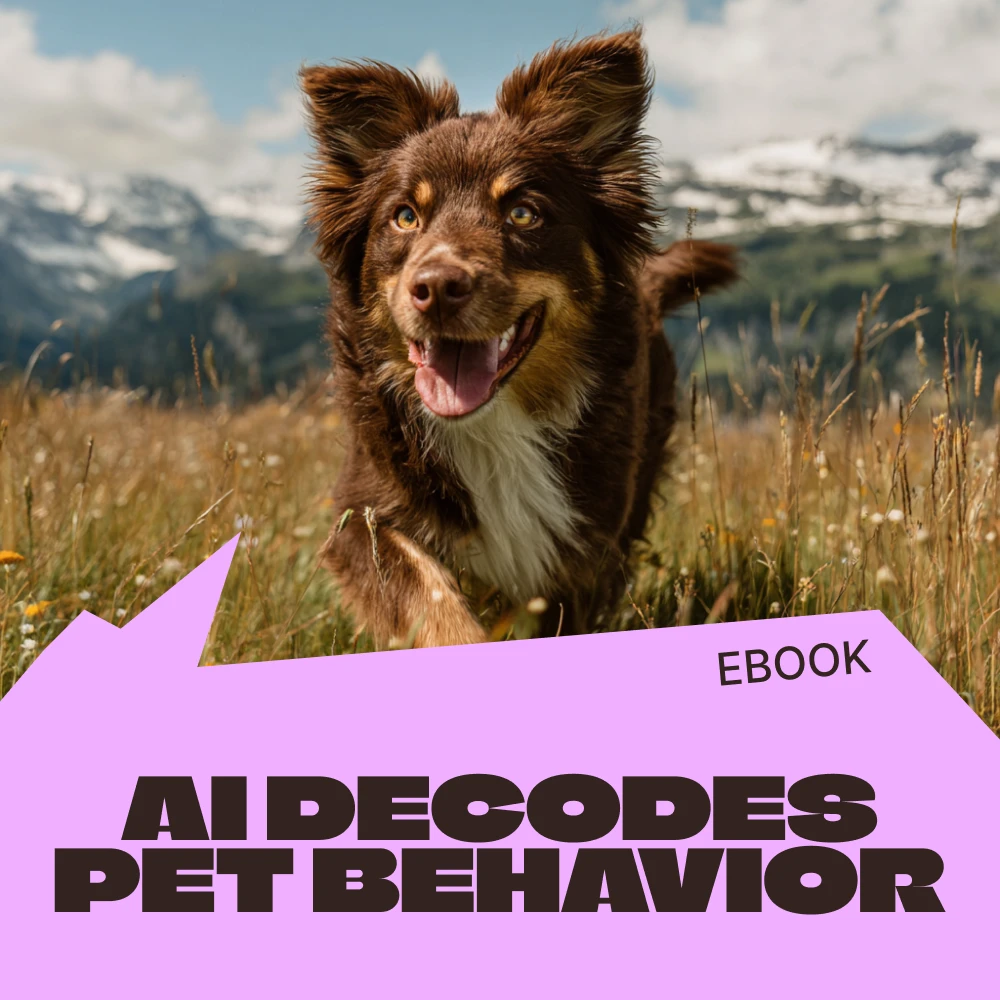
How to Use AI to Spot Pet Behavior Patterns
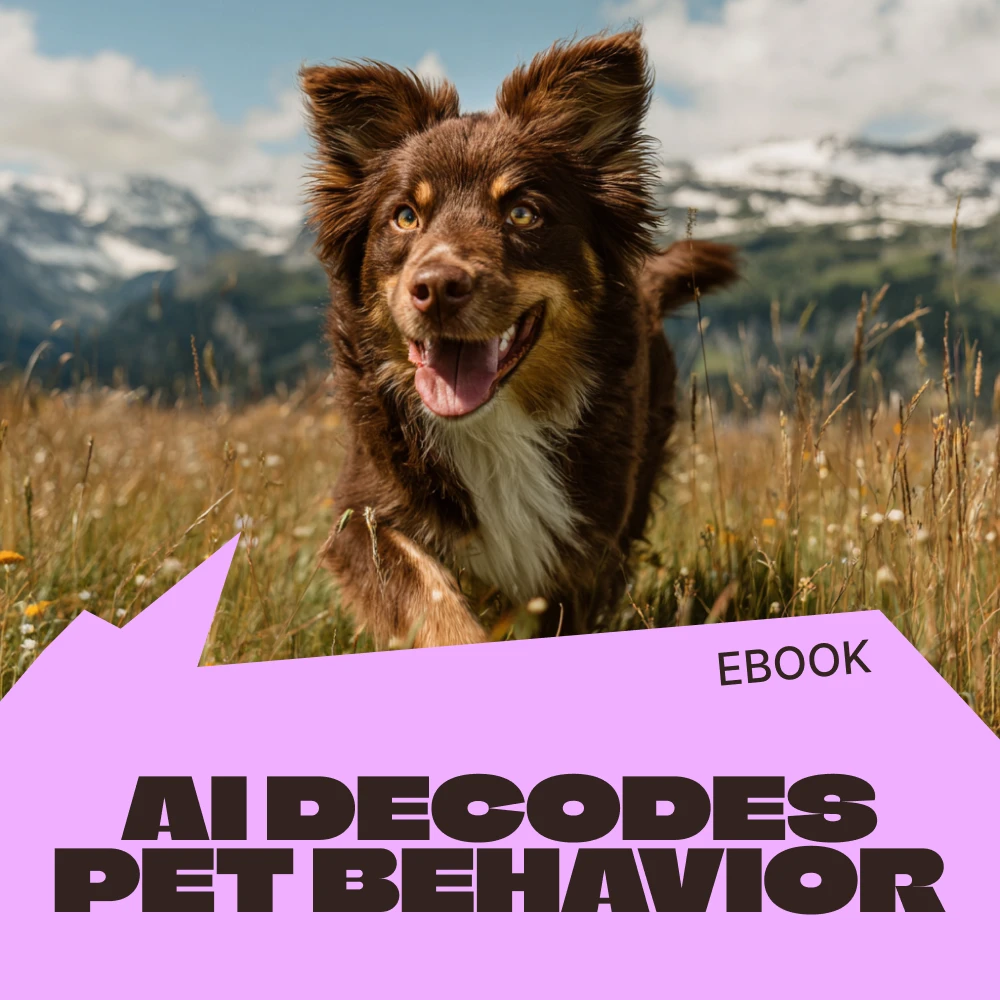
“Normal” is individual. One dog may eagerly greet every visitor; another may prefer a quiet corner. Cats can differ just as much in how they eat, play, rest, and seek attention. Before interpreting a behavior, get to know your pet’s usual appetite, drinking, activity, sleep, social habits, and bathroom routine.
For a week or two, jot down brief observations at roughly consistent times. You do not need a minute-by-minute diary. A morning note and an evening note may be enough to establish a useful baseline. Record what happened, when, for how long, and what was going on nearby. “Paced for 15 minutes after guests arrived” is more useful than “was anxious.” It leaves room for other explanations and gives you something concrete to compare later.
AI can organize your notes and suggest repeated patterns. It cannot tell you what your pet is thinking or diagnose an illness. If it connects evening pacing with shorter walks, compare that suggestion with every dated entry—including evenings that do not fit.
Ask a neutral question such as “What changed this week compared with last week?” Then verify the answer against your original notes. Keep missing days marked as missing rather than filling them in from memory.
Featured in this guide
AI Decodes Pet Behavior – Smart eBook Guide to ai behavior pattern detection pets Using AI Insights for Health, Mood & Daily Routines
| Area | Useful observation |
|---|---|
| Eating and drinking | Ate half the usual breakfast |
| Activity and rest | Restless for 30 minutes after the evening walk |
| Social behavior | Avoided a usually welcomed game |
| Bathroom habits | Needed an extra trip outside overnight |
Choose a few habits you can record consistently. You can add more later if the routine remains manageable.
Contact your veterinarian about sudden or persistent changes in appetite, energy, bathroom habits, mobility, or behavior, especially when several changes appear together. You do not need to finish a tracking period first. Difficulty breathing, collapse, or suspected poisoning calls for urgent veterinary help rather than more data collection.
If you make an appointment, bring a short timeline of when the change began, how often it occurs, and what else changed. Your notes can help you explain the concern without claiming to know its cause.
If you want a structured way to explore behavior tracking, our AI Decodes Pet Behavior eBook focuses on using AI insights to think about health, mood, and daily routines. It is a resource for organizing observations, not a replacement for veterinary assessment.
Our Guide to Symptom Diagnosis with Artificial Intelligence addresses human health questions, not pet care. For your pet, observe carefully, review AI output critically, and seek veterinary advice when a health concern arises.
Check the product’s listed specifications when evaluating decide whether an ebook fits your routine.
If you want a structured way to explore this approach, our AI Decodes Pet Behavior eBook focuses on using AI insights to think more systematically about health, mood, and daily routines. Start with one habit—perhaps evening activity or meal intake—and add more only if the notes remain manageable.
It also helps to keep different AI resources in their proper lanes. Our Guide to Symptom Diagnosis with Artificial Intelligence addresses human health questions; it is not a pet-care guide or a substitute for veterinary advice. For your pet, the practical order stays the same: observe carefully, use AI to organize what you observed, and turn to a veterinarian for medical assessment.
Before choosing, compare the product details with your daily routine, available space, care needs, and preferred setup. The strongest option is usually the one that fits the intended use clearly and remains simple to clean, store, and check before repeat use.
AI image tools can sometimes suggest a species or breed, but they can be wrong. Identifying an animal in a photo is different from understanding an individual pet’s behavior or health.
AI may help people find patterns in animal sounds and behavior, but it should not be treated as a reliable translator of a pet’s thoughts or feelings.










Leave a comment