25% off on product page · save $3.33
Are CPO Cars Worth It? Compare Costs and Coverage
A certified pre-owned car can be worth paying more for, but certification alone does not settle the decision. We recommend comparing the individual car, its written benefits, and its full cost against similar non-certified options.
Depending on the program, the higher price may buy a documented inspection, warranty coverage, roadside assistance, or other benefits. Verify which of those come with the particular car you are considering. A benefit advertised for a program may not answer every question about a specific vehicle.
Read beyond the warranty’s headline duration. Note which components are covered, what is excluded, whether you pay a deductible, when coverage begins, and whether it transfers to a future owner. Those terms help you judge its value against the price difference between the CPO car and comparable non-certified cars.
CPO vs. non-certified used: questions to compare
| Factor | CPO car | Non-certified used car |
|---|---|---|
| Inspection | Request the program checklist and completed report | Arrange an independent inspection |
| Warranty | Read the certification coverage and exclusions | Check for any remaining factory or separately offered coverage |
| Price | Calculate the premium over comparable cars | Budget for inspection and possible repairs |
| History | Review records and check for open recalls | Review records and check for open recalls |
Featured in this guide
Are CPO Cars Really Worth It? A Comprehensive Guide to Certified Pre-Owned Cars
Depending on the program, the premium may include a documented inspection, warranty coverage, roadside assistance, or other benefits. Confirm which benefits apply to the car you are considering.
Read the warranty terms before assigning them a value. Note the covered components, exclusions, deductible, start date, and whether coverage transfers to a future owner. Then compare those terms with the price difference between this car and comparable non-certified cars.
Review the vehicle history report, available service records, title information, and completed certification checklist. Ask about gaps or discrepancies. Enter the VIN in the National Highway Traffic Safety Administration’s recall lookup to check for open safety recalls.
Arrange a pre-purchase inspection with a mechanic you choose, even if the car is certified. Test-drive it on roads similar to those you normally use. If anyone pressures you to skip an independent inspection, keep shopping.
Request a written out-the-door quote that separates the vehicle price, taxes, fees, and add-ons. Compare it with quotes for vehicles of similar model year, mileage, trim, condition, and history. Budget for an inspection and possible repairs when considering a non-certified car.
If you finance, look beyond the monthly payment to the interest rate, loan length, and total amount paid. There is no universal dollar cutoff that makes a CPO car or a repair worthwhile; the vehicle’s condition, likely costs, alternatives, and your budget matter more.
Ask three questions: Is this particular car sound? Are its written certification benefits useful to you? Is its total price competitive with similar cars? A CPO premium is easier to justify when the answer to all three is yes. Otherwise, keep comparing.
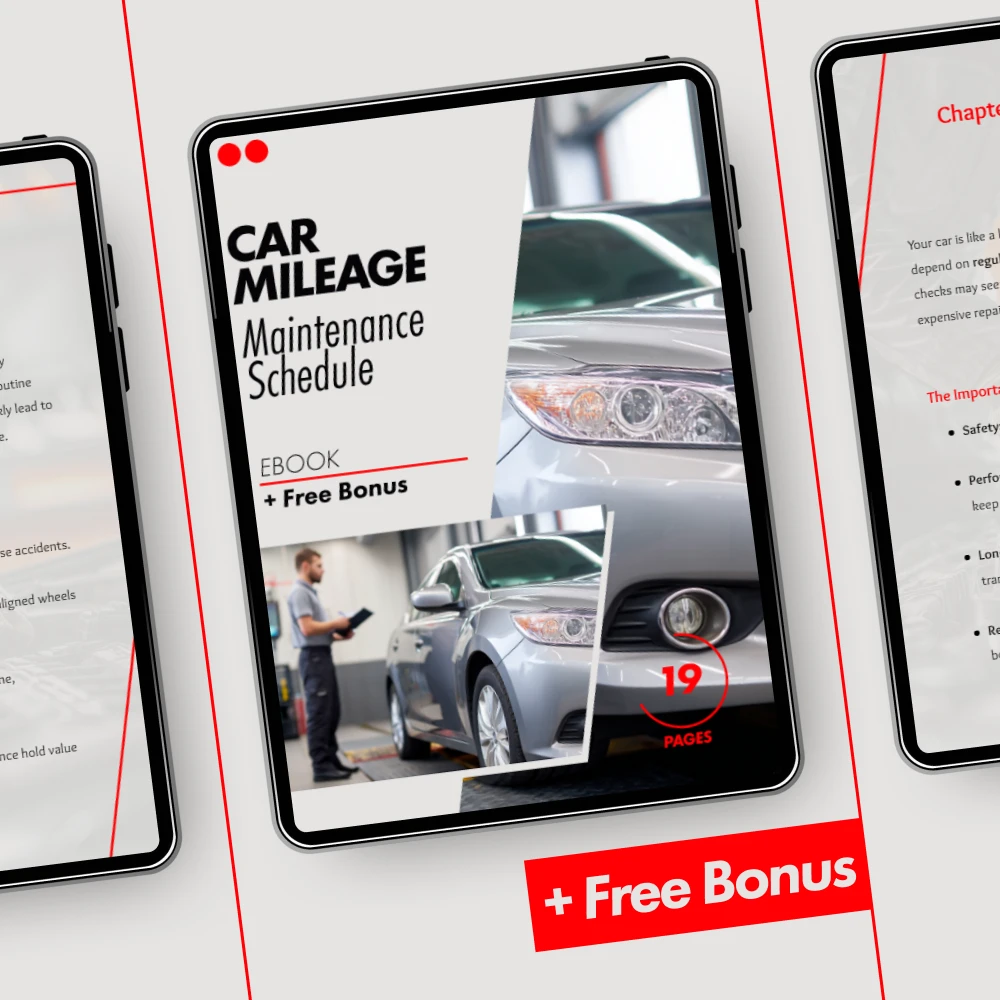
If you want a companion for working through those tradeoffs, explore our Are CPO Cars Really Worth It? A Comprehensive Guide to Certified Pre-Owned Cars.
Compare related options such as Building Financial Intimacy in Relationships: A Practical Guide to Navigating Money Conversations Together to match features, dimensions, and use case before choosing.
CPO means certified pre-owned: a used car that has met a particular program’s eligibility and inspection requirements. The standards and warranty vary by program.
It is a rule of thumb, not a universal buying or repair standard. Use the vehicle’s condition, likely repair costs, financing, and your budget rather than a fixed $3,000 cutoff.
There is no single best program for everyone. Compare the eligibility rules, warranty provider and terms, deductible, inspection documentation, and condition of the individual car.
They can be when the car is in good condition, the written benefits are worthwhile, and the total price is competitive. Certification should support your due diligence, not replace it.









Leave a comment