35% off on product page · save $9.15
30-60-90 Maintenance Schedule: What to Check
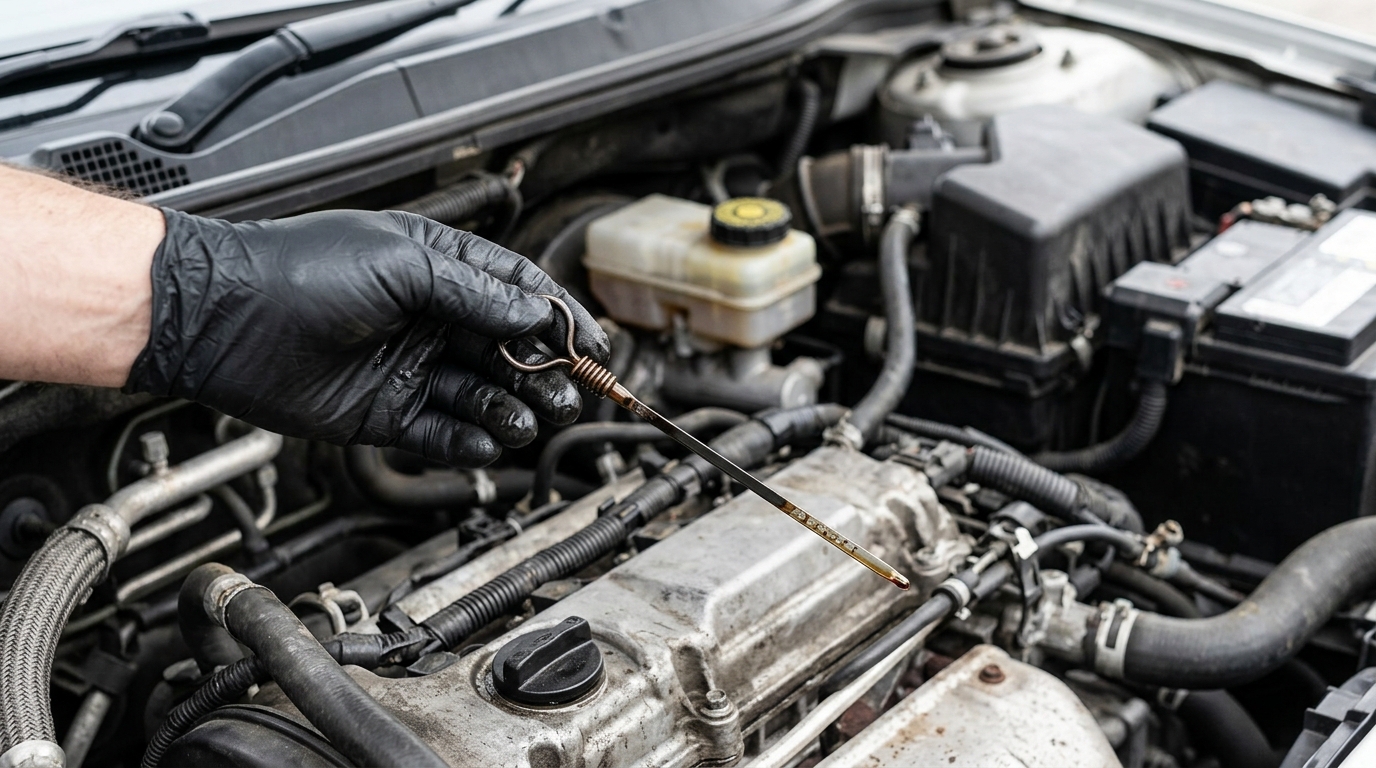
At 30,000 miles, start with the manufacturer’s service schedule, then review routine items such as engine oil, tire condition and rotation, brake wear, fluid levels, filters, and the battery. Some vehicles may also call for fluid or filter replacements at this point, while others need only an inspection, so have your service provider identify what is due rather than approving a generic package.
At 60,000 miles, repeat the routine checks and look closely at manufacturer-specified services that may have longer intervals, such as spark plugs, transmission fluid, coolant, brake fluid, or drive components. Intervals vary widely by vehicle, and a part that looks fine from the outside may still have a time-based replacement requirement; compare the estimate with your manual before deciding what to authorize.

Featured in this guide
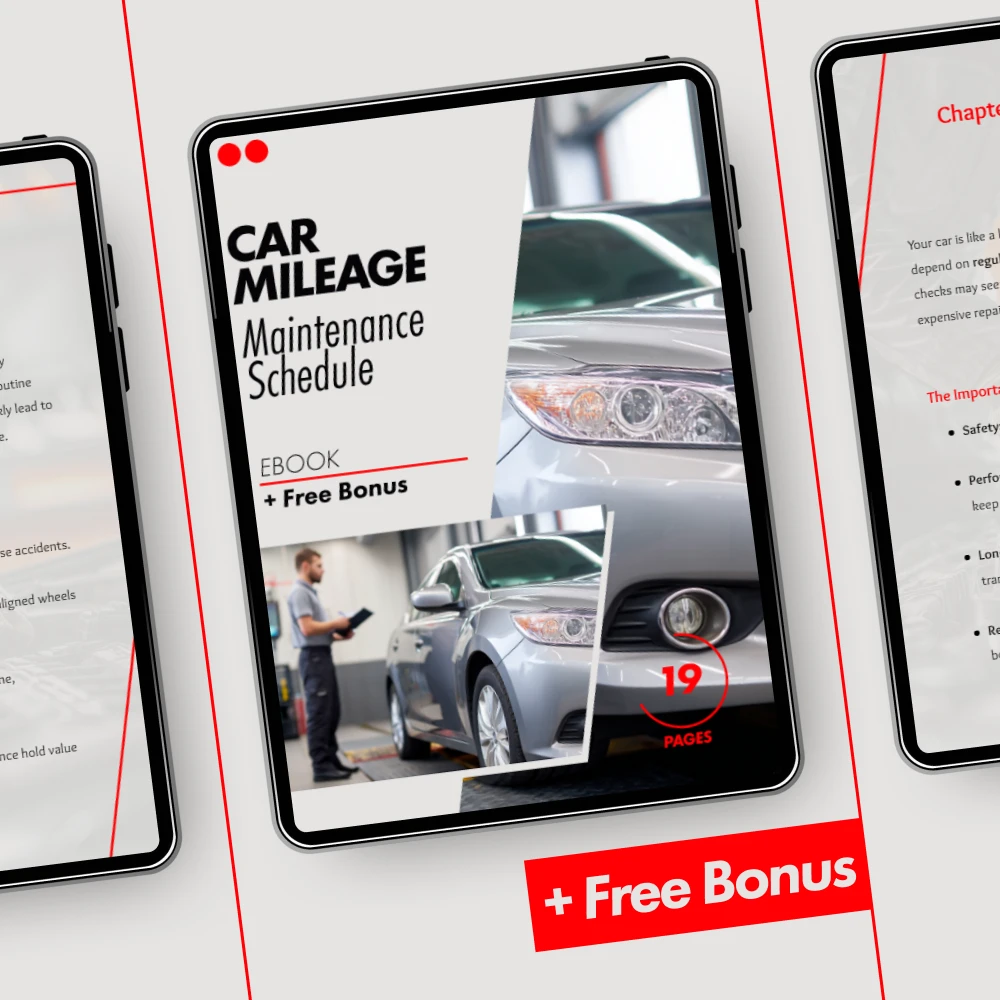
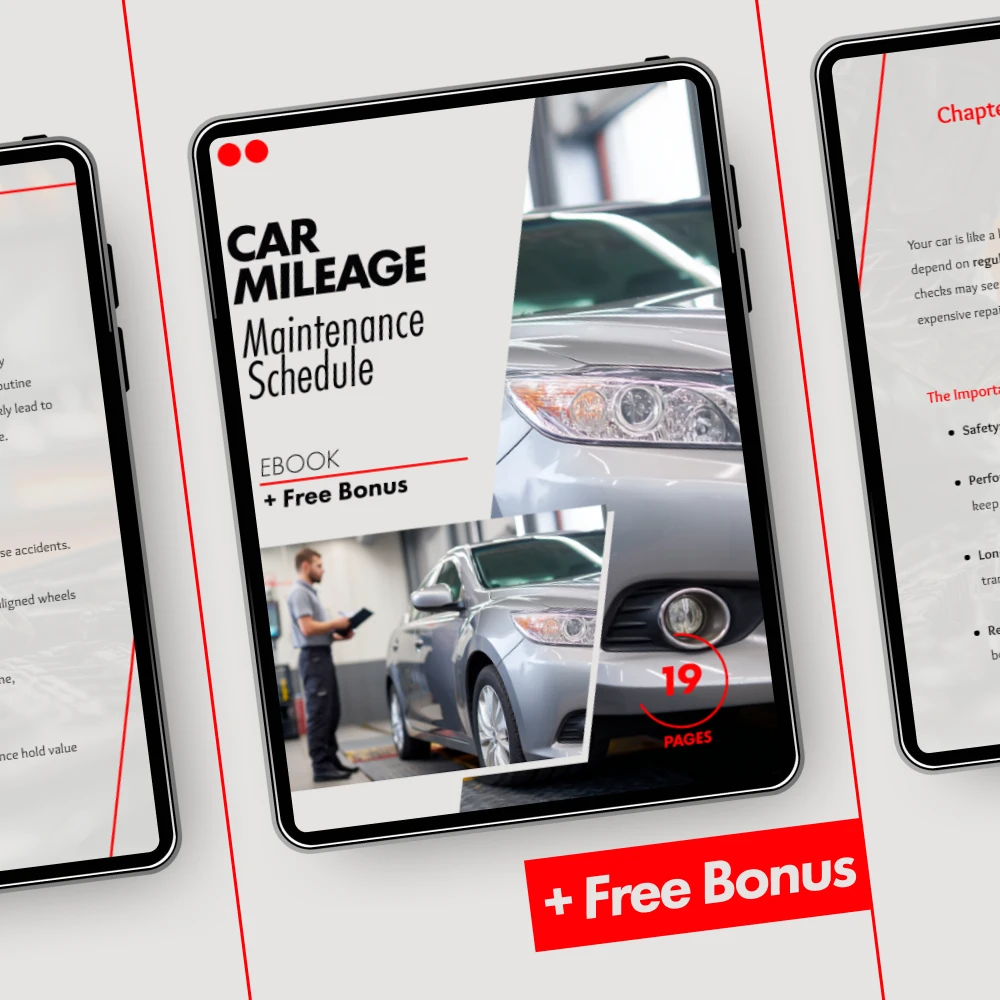
Car Maintenance Schedule for Every Mile: A Complete Guide to Car Maintenance by Mileage
At 90,000 miles, continue the recurring maintenance and ask for a careful inspection of wear items, including brakes, tires, belts, hoses, suspension components, and any leaks. This milestone is also a chance to catch up on deferred manufacturer-scheduled work, but our team recommends separating required maintenance from repairs recommended because an inspection found a specific problem.
Keep a record of dates, mileage, and completed work so you do not pay twice for a service or miss one that comes due between major milestones. If you make frequent short trips, tow, drive in extreme temperatures, or have a dashboard warning, consult your manual’s applicable schedule and address the issue rather than waiting for the next 30,000-mile mark; our car maintenance by mileage guide and featured Car Maintenance Schedule for Every Mile: A Complete Guide to Car Maintenance by Mileage can help you organize the questions to ask.
It is a service-planning shorthand for reviewing maintenance at 30,000, 60,000, and 90,000 miles. The exact tasks come from your vehicle’s schedule and its current condition, not from one universal checklist.
There is no single reliable price because the required work, labor rates, vehicle, and any needed repairs differ. Ask for an itemized estimate that separates scheduled maintenance from optional recommendations and condition-based repairs, then compare it with your owner’s manual.









Leave a comment