35% off on product page · save $9.15
What Your Car May Need at 50,000 Miles
Compare your odometer reading and the date of your last visit with the manufacturer’s maintenance schedule, since oil changes, tire rotations, and filter replacements follow different intervals for different vehicles. If you drive mostly short trips, tow, idle frequently, or travel in dusty conditions, look for a “severe service” schedule that may call for some work sooner.
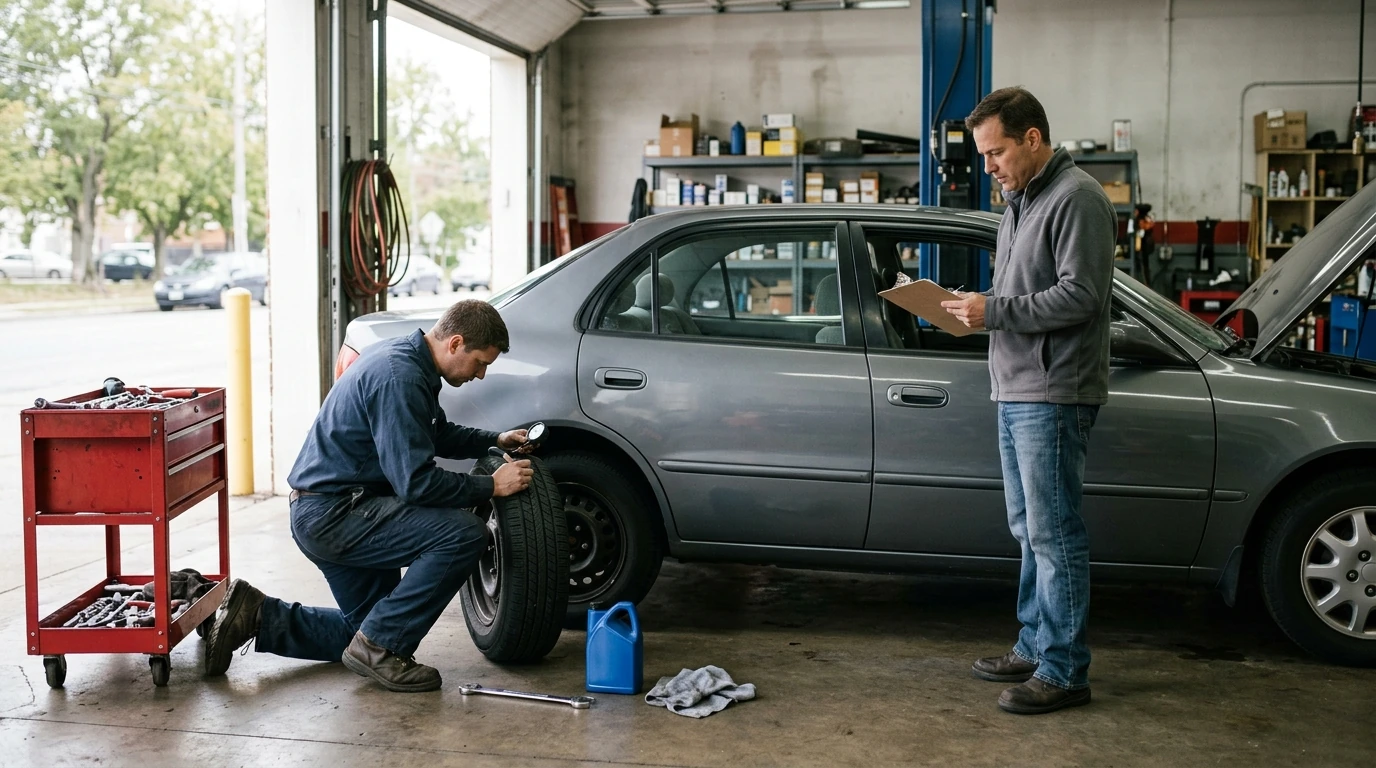
Have the tires checked for tread depth, uneven wear, damage, and proper inflation, and rotate them if your schedule calls for it; uneven wear can also be a reason to assess alignment or suspension components. A brake inspection should cover pad and rotor condition, fluid leaks, and how the pedal feels, especially if you hear grinding, notice vibration, or need more distance to stop.
Featured in this guide
Car Maintenance Schedule for Every Mile: A Complete Guide to Car Maintenance by Mileage
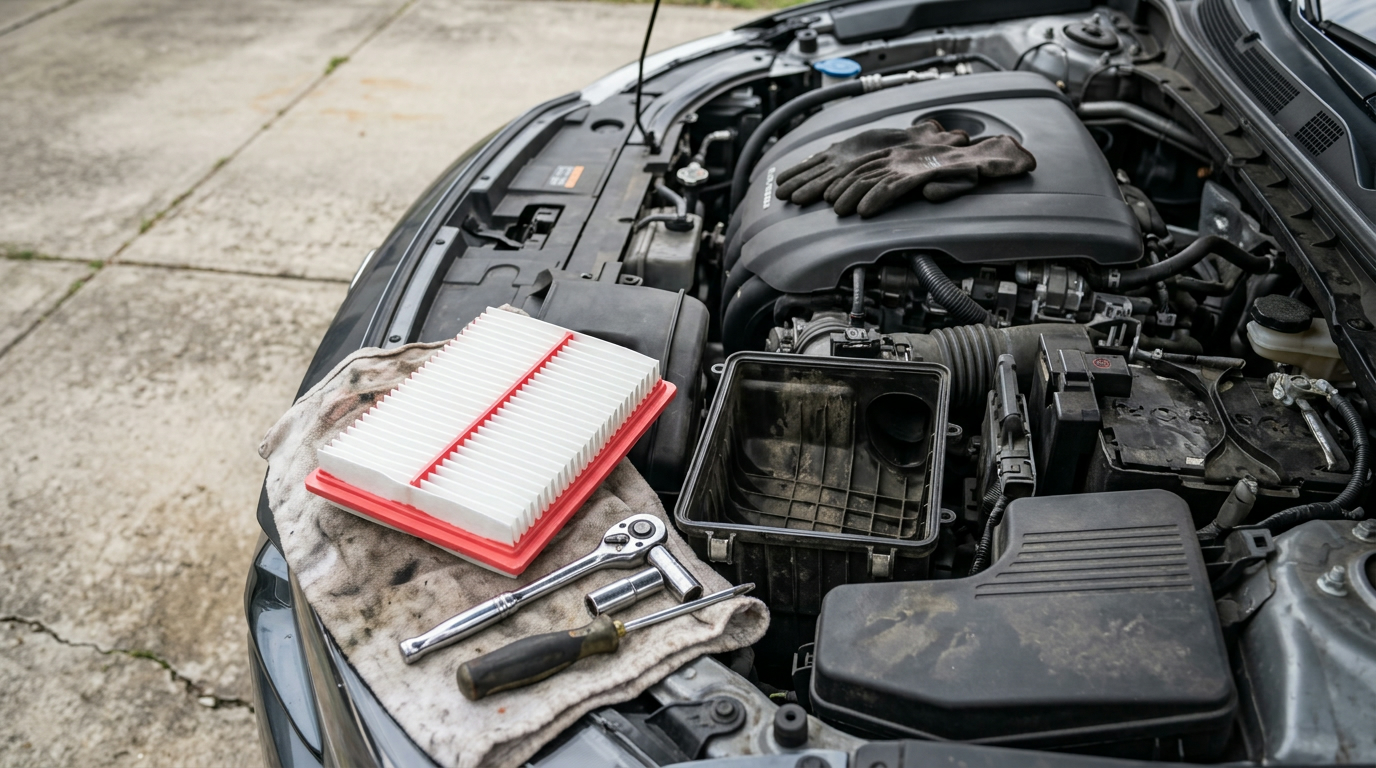
Ask a technician to check the condition and level of engine oil, coolant, brake fluid, and any transmission or other drivetrain fluids specified for your vehicle, then replace fluids only when the schedule or their condition calls for it. This is also a practical time to review the engine air filter, cabin air filter, belts, hoses, battery, lights, and wiper blades, replacing parts that are due or showing wear rather than assuming everything needs to be new at 50,000 miles.
Keep a record of what was inspected, what was serviced, and what can wait, so you can distinguish a recommended repair from routine maintenance at your next visit. For a broader mileage-by-mileage overview, our team put together Car Maintenance Schedule for Every Mile: A Complete Guide to Car Maintenance by Mileage to help you organize the questions to ask as your car ages.
Check the product’s listed specifications when evaluating make a plan for the next interval.










Leave a comment