15% off on product page · save $2.12
When Do Babies Start Feeding? Milk, Solids & Readiness
A baby starts feeding soon after birth, with breast milk or infant formula providing the nutrition they need during their first months. Newborns usually feed frequently, including overnight, so follow your baby’s hunger cues rather than expecting them to settle into a fixed schedule right away.
Early hunger cues can include stirring, bringing hands to the mouth, and turning toward a touch on the cheek; crying is often a later sign that your baby is hungry. If you’re breastfeeding, newborns commonly nurse about 8–12 times in 24 hours, while formula-fed babies also need frequent feeds, with amounts and timing changing as they grow.
Featured in this guide
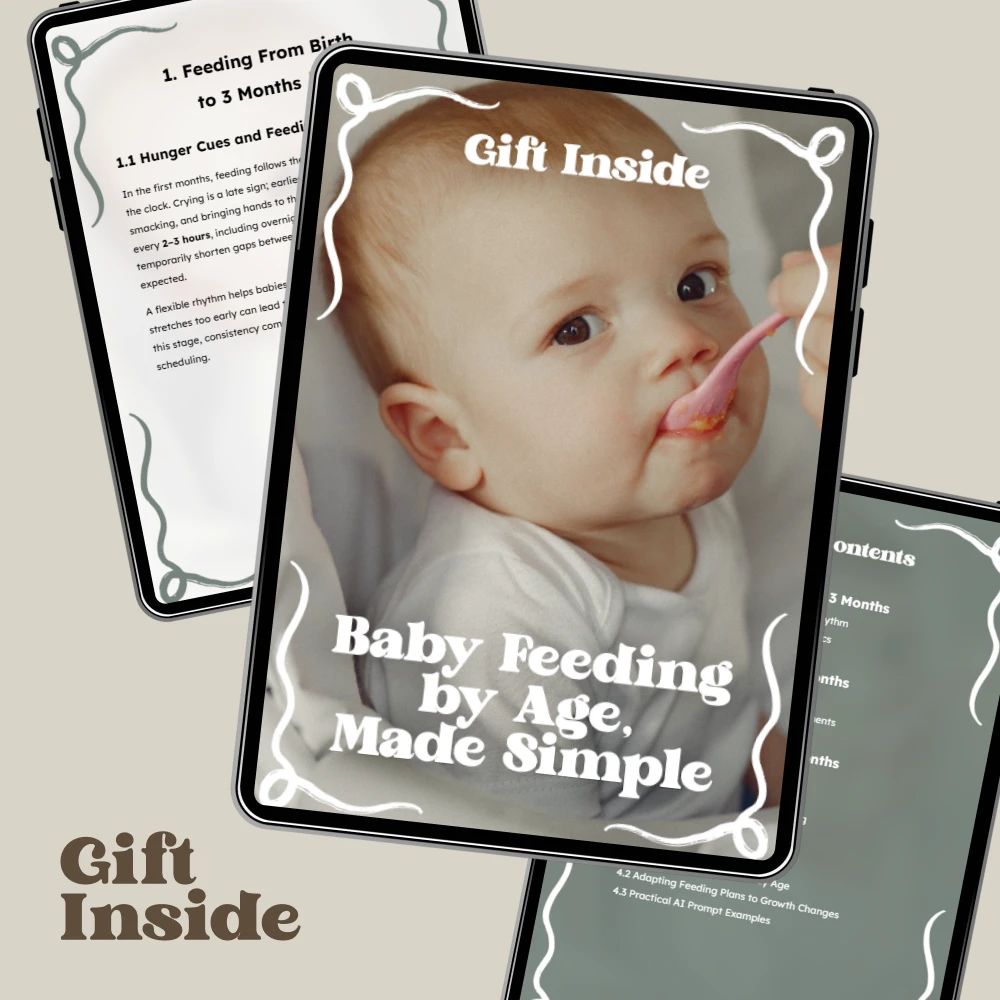
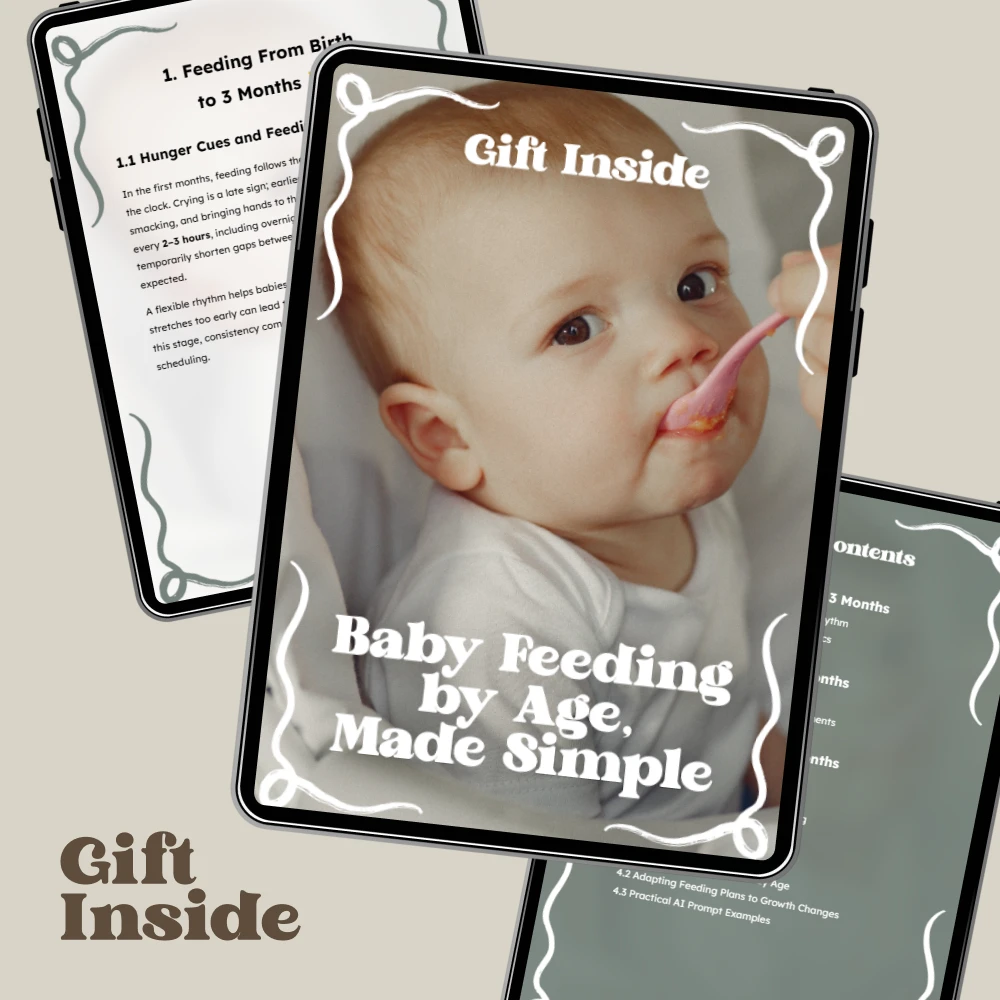
Baby Feeding by Age, Made Simple | Baby Feeding Schedule by Age Guide for New Parents, From Newborn to 12 Months
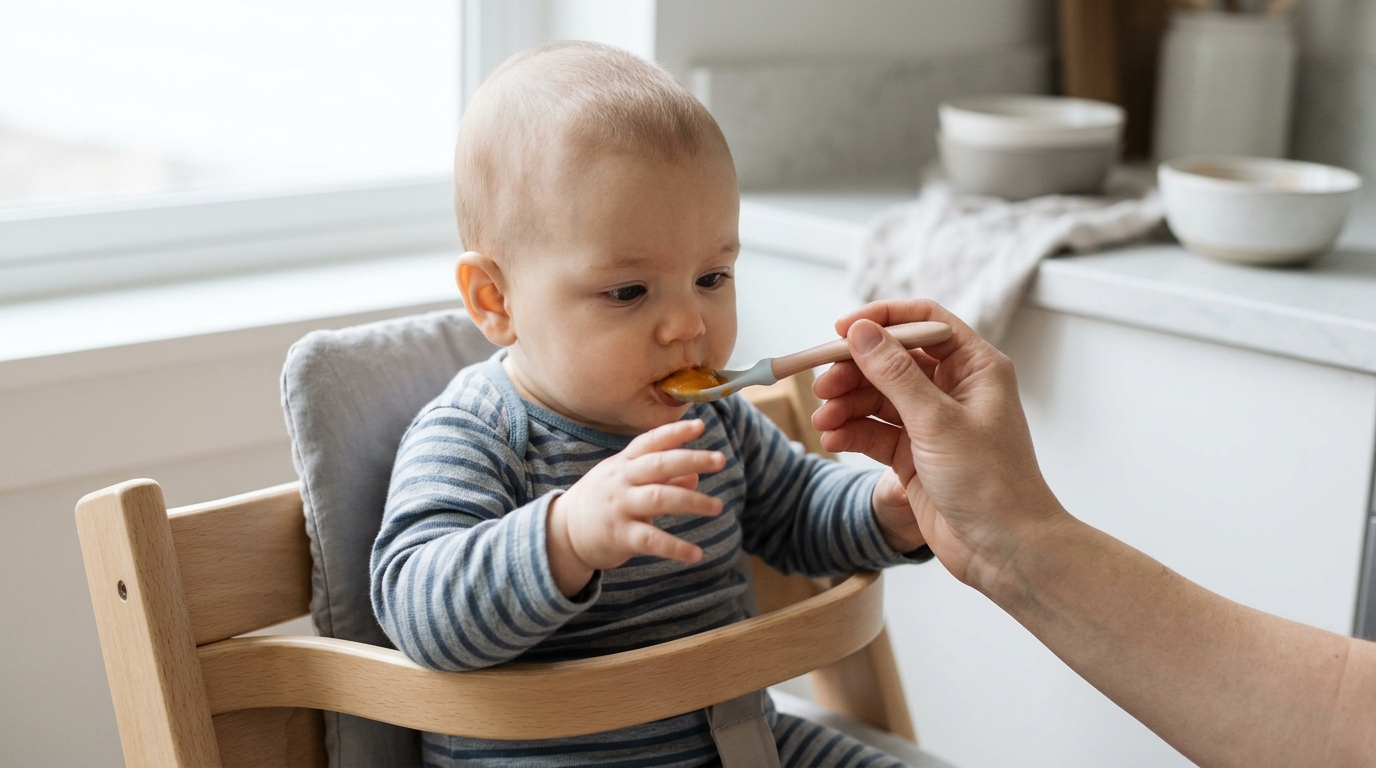
Most babies are ready to begin solids around 6 months, while continuing breast milk or formula; age matters, but readiness also means being able to sit with support, control the head and neck, and show interest in food. Offer small amounts of an appropriate soft food at first, and let your baby explore its taste and texture without expecting solids to replace milk feeds immediately.
Start with smooth purées or other soft textures your baby can manage, then gradually offer more variety as their eating skills develop, always keeping them seated upright and supervised. Avoid honey before age 1, and prepare foods to reduce choking risk—for example, skip whole grapes and nuts, and cut or mash foods into a form your baby can handle.
Feeding patterns change substantially between the newborn stage and a baby’s first birthday, so a schedule is most useful as a guide rather than a rule to follow against your baby’s cues. Our Baby Feeding by Age, Made Simple guide follows that newborn-to-12-month journey; if you’re concerned about how much your baby eats, weight gain, or readiness for solids, ask your pediatrician for advice tailored to your baby.
Some babies may be ready for solids between 4 and 6 months, but most guidance recommends starting around 6 months, and solids should not begin before 4 months. Ask your pediatrician about your baby’s readiness, and keep breast milk or formula as their main source of nutrition.
There isn’t one age when every baby should switch to feeds four hours apart; newborns generally need to eat more often, and spacing may lengthen gradually as they grow. Follow hunger cues and your pediatrician’s guidance rather than delaying a feed to meet the clock.










Leave a comment