What Is a Dresser With No Drawers Called?
28% off on product page · save $139.98
What Is a Dresser With No Drawers Called?
What Do You Call a Dresser With No Drawers?
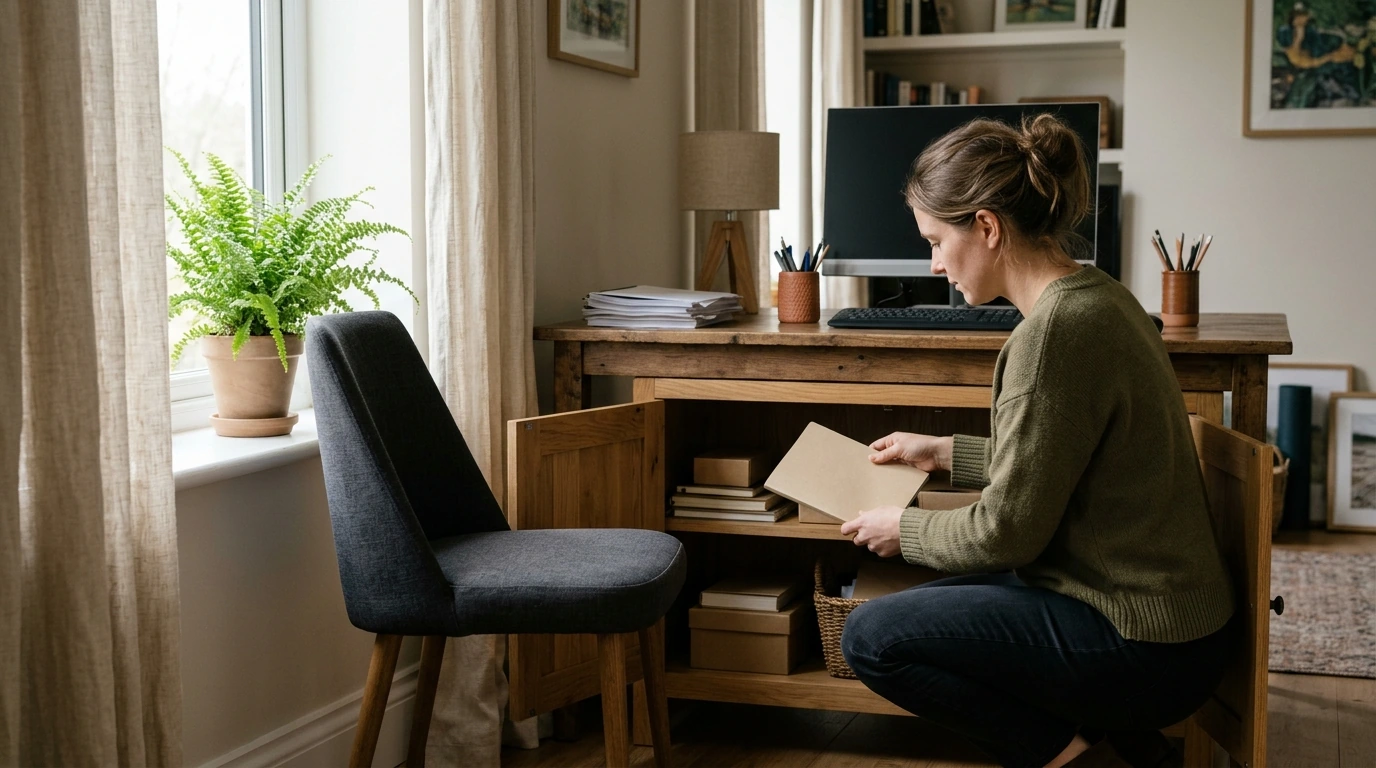
A dresser with no drawers is usually called a cabinet if it has doors enclosing its storage space, or a shelving unit if its shelves are open. The most useful name depends on its design and purpose: an armoire is typically a tall clothing cabinet, while a sideboard is a low storage piece often used in a dining or living room.

Cabinet, Armoire, or Shelving Unit?
Choose “cabinet” when you want a general term for a piece with enclosed storage, and use “armoire” when the piece is designed primarily to hold clothing behind doors. If the compartments are exposed, “open shelving” or “a shelving unit” will give a clearer picture; a low, wide piece with doors may also be described as a sideboard or credenza, depending on its style and intended room.

Featured in this guide
Modern Farmhouse 6-Drawer Tall Dresser – Storage Organizer for Living Room, Hallway, Entryway, Home Office
How Does It Compare With a Dresser?
We generally use “dresser” for furniture with drawers, which makes it convenient for separating folded clothes and smaller items, while cabinets and shelves can accommodate a different mix of belongings. For example, our Modern Farmhouse 6-Drawer Tall Dresser is a drawer-based storage organizer, so it is a dresser rather than a drawerless cabinet; you can explore related organization ideas in our modern farmhouse tall dresser guide.
How Should You Choose Drawerless Storage?
Start by deciding what you want to store: enclosed shelves can keep folded items out of sight, while open shelves make frequently used belongings easier to see and reach. Measure the available floor space and the clearance needed to open any doors, and follow the manufacturer’s assembly and anchoring instructions to help keep the piece stable.

Watch · product page video
“Absolutely beautiful dressers Bright White Incredible quality Easy assembly but time consuming I bought 4 pieces, everyone of them came perfectly pack, no damage and all the pieces were present Would buy again”
Emperale product page · Product review
How to use the organizer
1
Measure the organizer installation area in the vehicle
2
Compare the organizer dimensions with the available space
3
Align the organizer anchors or retention points
4
Test the organizer clearance for the drawers called check before the first trip
FAQ
What are the two types of dressers?
Two common dresser layouts are horizontal and vertical: horizontal dressers are generally wider, while vertical dressers are taller and narrower. Both typically have drawers, although their dimensions and storage arrangements vary.
See if Modern Farmhouse 6-Drawer Tall Dresser – Storage Organizer for Living Room, Hallway, Entryway, Home Office fits your setup




Leave a comment