15% off on product page · save $2.12
SMART Fitness Goals: Examples You Can Stick With
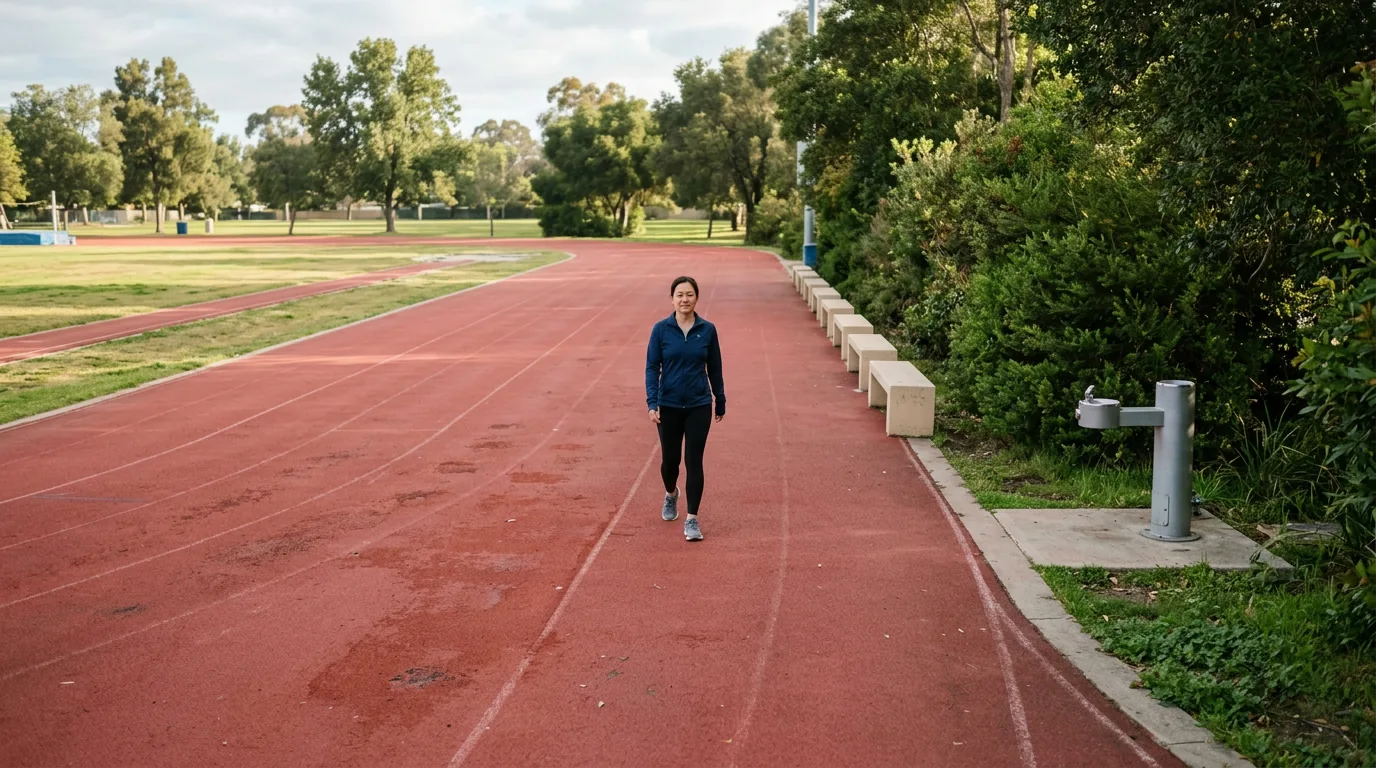
Instead of aiming to “exercise more,” you might plan to walk for 25 minutes after work on Monday, Wednesday, and Friday for the next four weeks. That gives you a clear action and a simple way to measure success: record each walk on a calendar or in a notes app.
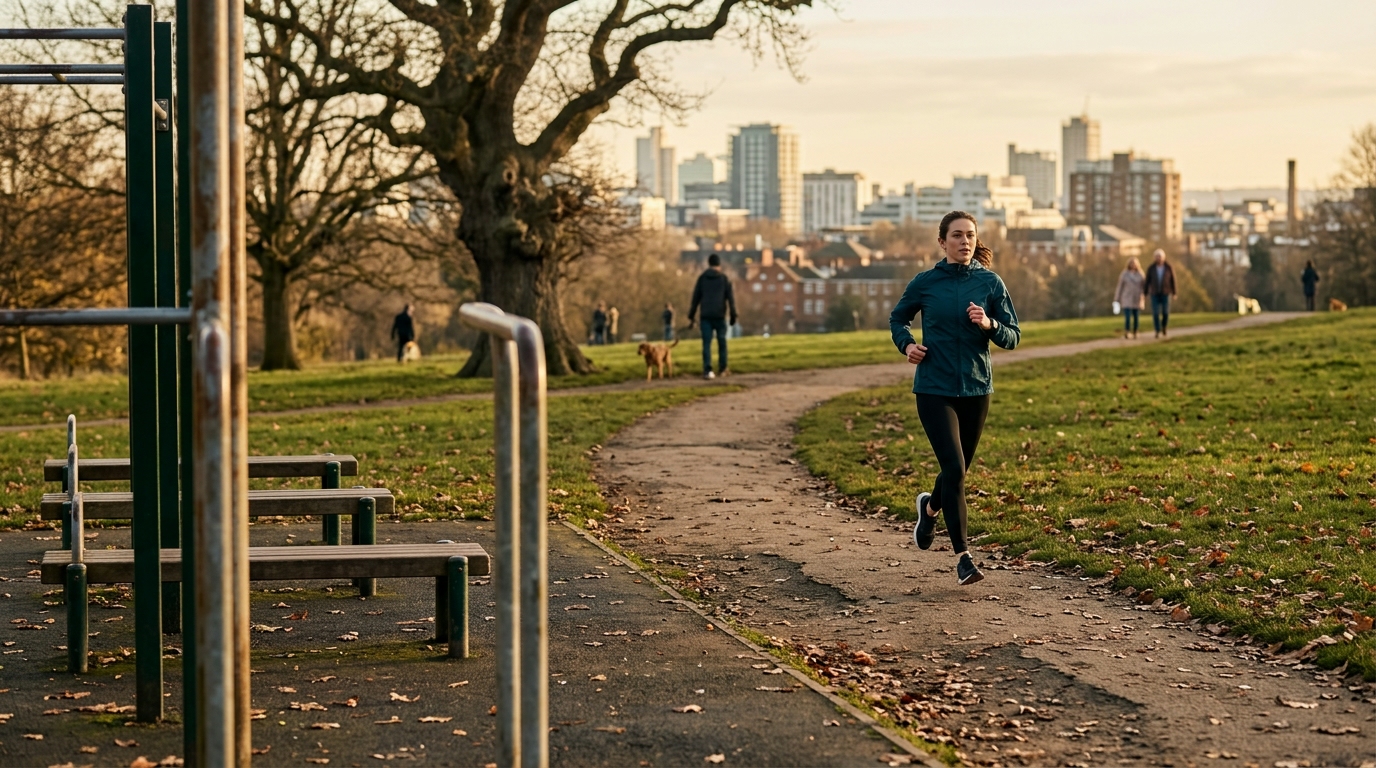
A challenging goal can be motivating, but it should leave room for your schedule, recovery, and starting fitness level. If three gym visits a week are difficult right now, two planned visits may be a smarter starting point than an ambitious target you regularly miss.
Check the product’s listed specifications when evaluating choose a goal you can repeat.
Featured in this guide
AI Fitness Goals Made Simple: Smart Guide to ai fitness goal setting, Build Consistent Workouts, Create a Personalized Fitness System That Actually Fits Your Life
Your goal is easier to prioritize when it supports something you care about, such as building strength for daily tasks or having more stamina on a hike. For strength, one option is to complete two full-body workouts each week for six weeks, noting the exercises and weights you use so you can spot progress.
At the end of your chosen period, look at both the result and what made the routine workable: the time of day, workout length, and any missed sessions. You can then keep the goal, make it more challenging, or scale it back; our guide to AI fitness goals and consistent workouts offers more help with building a routine that fits your life.
If you want a resource focused on this planning process, our AI Fitness Goals Made Simple: Smart Guide to ai fitness goal setting, Build Consistent Workouts, Create a Personalized Fitness System That Actually Fits Your Life addresses goal setting and workout consistency. Whatever approach you use, our team suggests starting with one or two goals so you can tell what’s working.
“I will do a 20-minute beginner strength workout every Tuesday and Thursday for six weeks” is a good example. It is specific, measurable, relevant to building strength, time-bound, and achievable if those sessions fit your current ability and schedule.
You could walk for 20 minutes three days a week for a month; complete two strength sessions a week for six weeks; or stretch for 10 minutes after work four days a week for three weeks. Two more examples are cycling for 30 minutes on Saturdays for eight weeks and taking a 15-minute lunchtime walk every weekday for two weeks; choose a target that suits your starting point.








Leave a comment