Does Breathe Easy Really Work? What to Expect
Breathe Easy is a DIY home air vent cleaning eBook, so whether it works for you depends on whether you want guidance for cleaning accessible vents—not a device that cleans the air or strengthens your lungs. Cleaning a dusty vent cover can remove visible buildup from that surface, but it will not necessarily resolve odors, moisture problems, or dust coming from elsewhere in your home.
Our Breathe Easy: The Ultimate Home Air Vent Cleaning Guide is intended for readers who want to approach vent cleaning themselves, while recognizing that some HVAC problems need professional attention. You can use a cleaning routine as one part of home maintenance, alongside changing your HVAC filter as recommended and keeping rooms free of excess moisture.
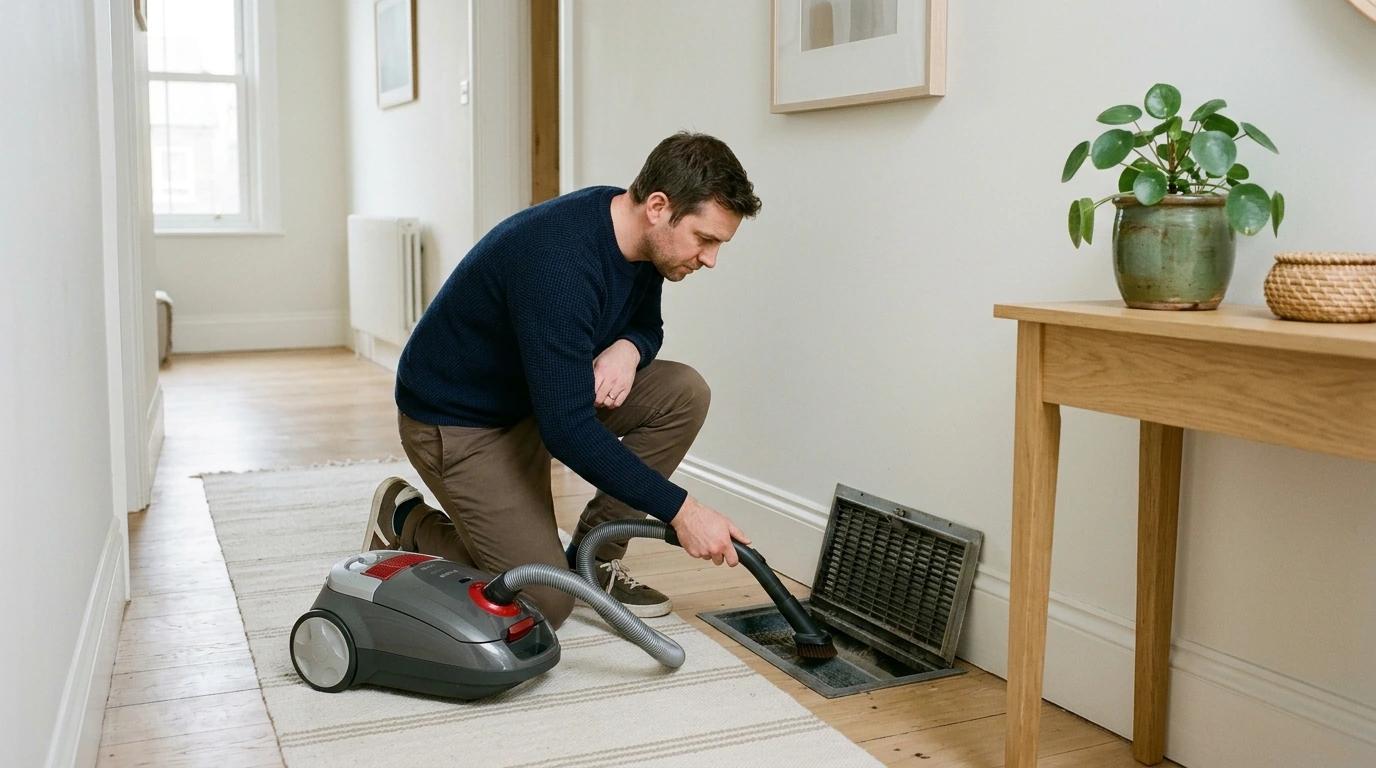
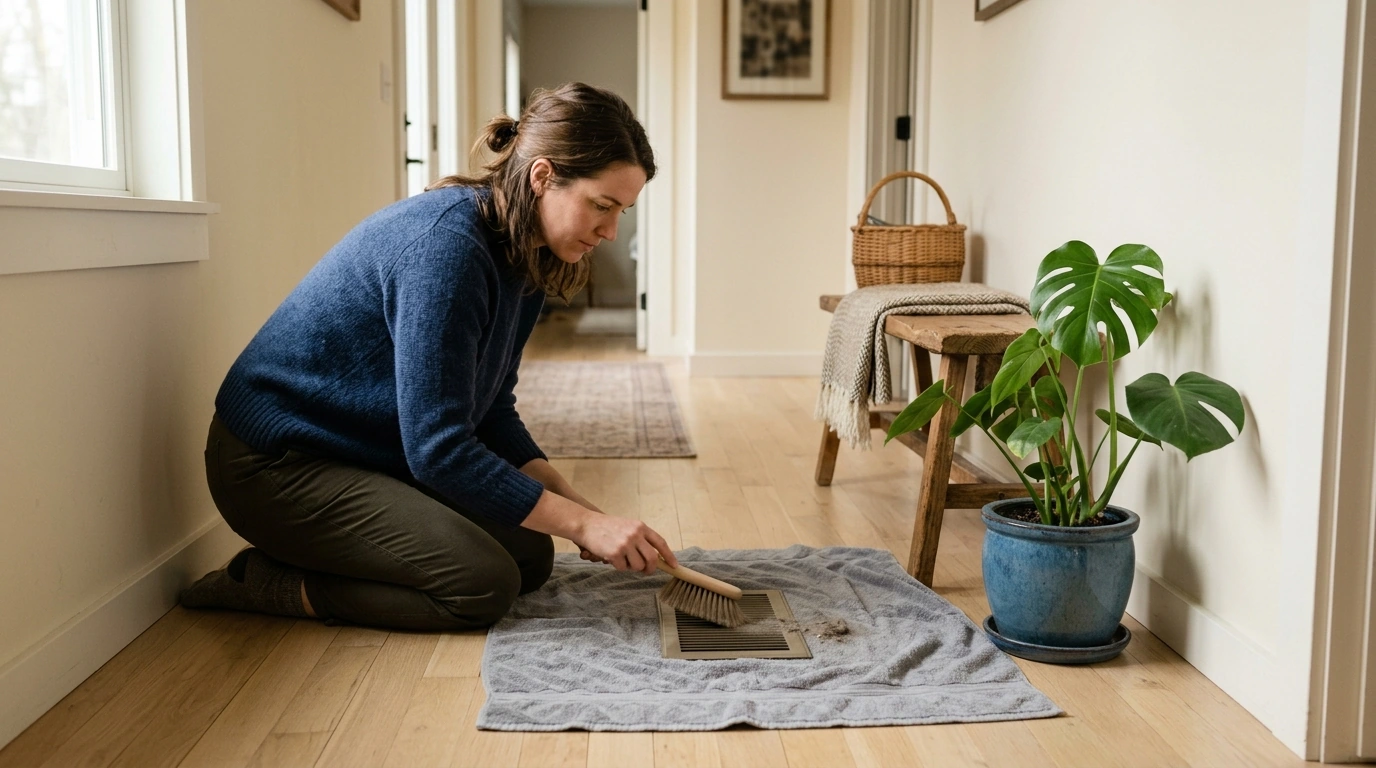
You can generally clean accessible vent covers and the area just inside an opening using a vacuum with a brush attachment, a soft cloth, and mild soapy water for a removable cover. Turn off the HVAC system before you begin, remove the cover carefully if it is designed to come off, and keep water away from electrical components and the inside of the duct.
Let a washed cover dry completely before putting it back, and avoid pushing a brush or debris deeper into the ductwork. For a walkthrough of safe cleaning practices, see our guide to cleaning home air vents safely.

Featured in this guide
Breathe Easy: The Ultimate Home Air Vent Cleaning Guide – DIY Vent Cleaning eBook for Healthier Air
A guide may be useful if you are comfortable with basic household cleaning and want to tackle ordinary dust on reachable vent surfaces. You do not need to treat a vent cover like a delicate specialty item, but a gentle approach helps protect its finish and prevents loose dust from spreading around the room.
Our team recommends stopping if a cover is difficult to remove or if you encounter damaged material inside the opening rather than forcing it. If you suspect asbestos-containing material, do not disturb it; contact a qualified professional for advice on how to proceed.
DIY cleaning is not a substitute for diagnosing persistent musty odors, signs of water damage, suspected mold, or debris that keeps returning despite routine cleaning. An HVAC professional can assess the system and help identify whether the issue involves the ductwork, equipment, filtration, or another source.
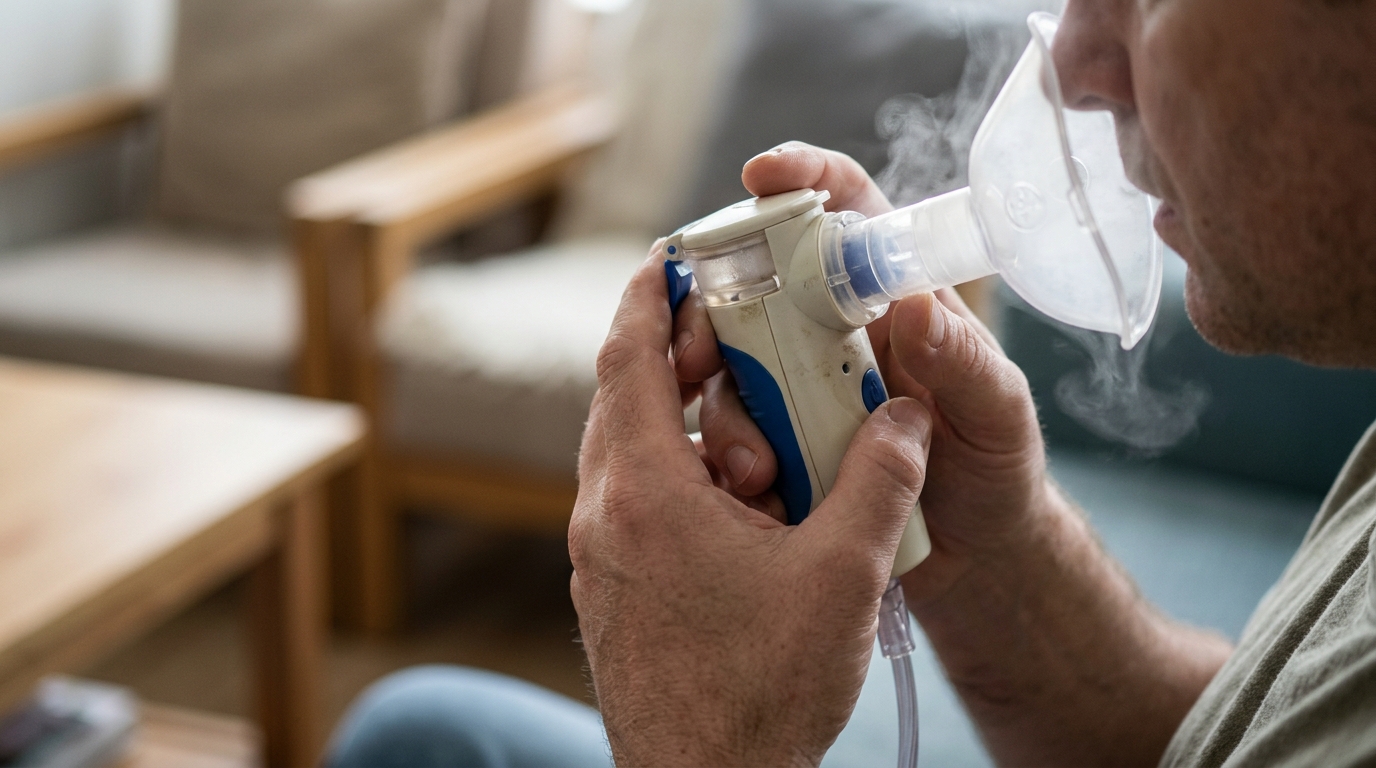
For everyday upkeep, check vent covers periodically and clean them when you notice dust buildup, rather than assuming a single cleaning will solve every air-quality concern. If anyone in your home has ongoing breathing symptoms, speak with a healthcare professional instead of relying on vent cleaning as treatment.









Leave a comment