Eat Like a Local: A Travel Food Culture Guide
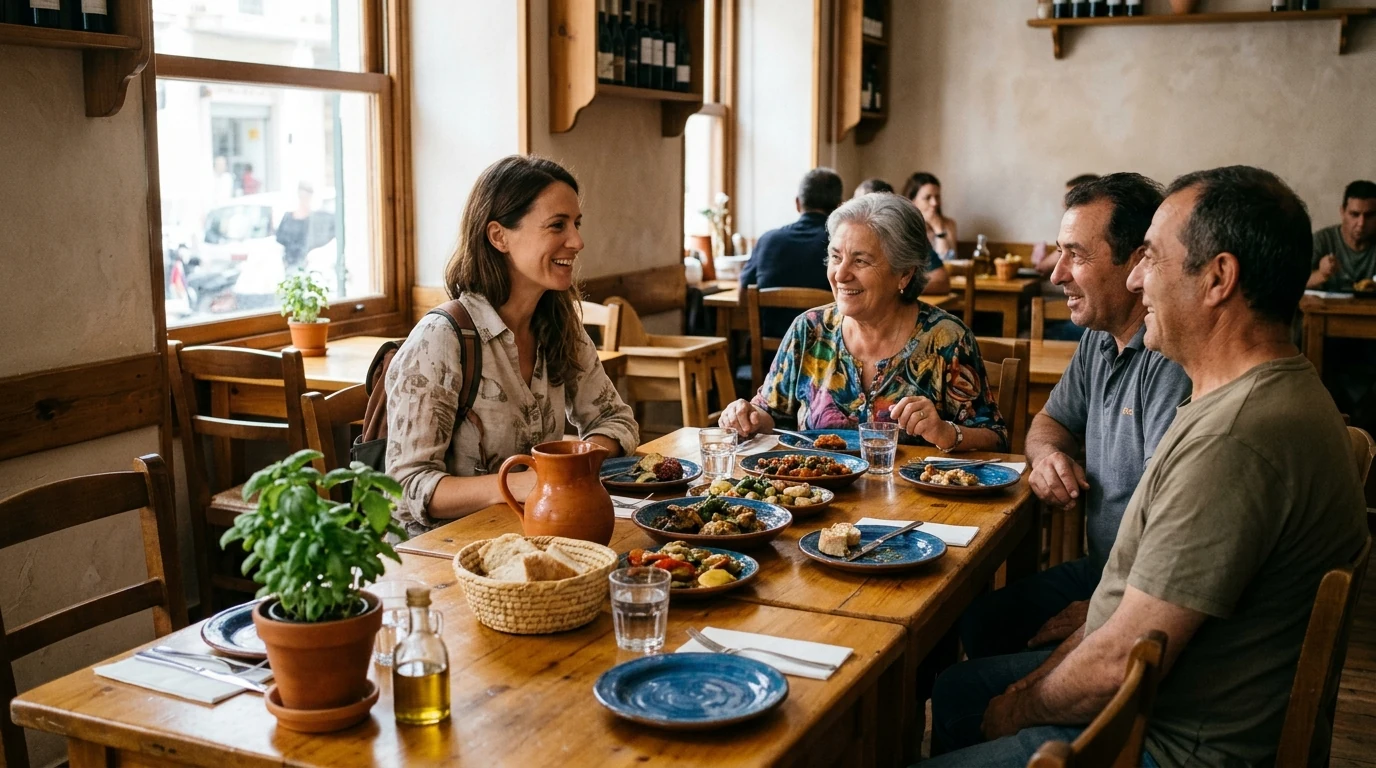
Eat Like a Local: A Travel Food Culture Guide
What Eating Like a Local Really Means
Eating like a local isn’t about finding one “authentic” restaurant that represents an entire destination. It can mean trying a regional specialty, discovering an everyday lunch, or learning how ingredients and traditions shape meals in a particular place.
Food cultures are varied and always changing. Residents may cook family recipes, grab a quick snack between errands, or enjoy dishes influenced by communities from elsewhere. Approach each meal as one perspective rather than a definitive answer.
For a broader look at how food traditions connect with community life, explore UNESCO’s resources on food and intangible cultural heritage.
Check the product’s listed specifications when evaluating what eating like a local really means.
Start Exploring Before You Travel
Before you book a table, learn a little about regional ingredients, seasonal dishes, and typical meal times. Local tourism resources and community publications can help you decide what you would like to try.
Make a short list of dishes and neighborhoods, but leave room for a recommendation you receive after arrival. A flexible plan gives you direction without turning every meal into an appointment.
If you have an allergy or dietary restriction, prepare a clear written translation that names the ingredients you must avoid. For a serious allergy, don’t rely on a phrasebook alone; confirm that staff understand your needs before ordering.
Check the product’s listed specifications when evaluating start exploring before you travel.
Featured in this guide
Eat Like a Local Anywhere You Go – Ebook Guide to How to Find Authentic Local Food When Traveling | Travel Food Culture Guide
Find Places to Eat Once You Arrive
Explore a market or neighborhood street around meal time. Read menus and consider whether the options suit your budget, schedule, and dietary needs.
When asking residents for suggestions, be specific. Asking where someone enjoys an inexpensive lunch nearby may be more useful than asking for the best restaurant in town.
- At a market, ask which dishes are popular in the area.
- At a neighborhood restaurant, look for regional specialties you can comfortably eat.
- For a personal recommendation, share your budget and interests.
These are starting points, not guarantees of authenticity or food safety. It’s fine to look at a menu and choose somewhere else.
Explore Food Culture Respectfully and Safely
At a busy stall, give customers and workers space to move. Ask before photographing people or their food, and be patient if a vendor doesn’t have time to answer questions. A friendly greeting and a genuine thank-you can make an exchange more pleasant for everyone.
Keep an open mind about unfamiliar dishes without assuming that everyone in a destination eats the same way. You can be adventurous while still respecting your own dietary boundaries.
Before your trip, review the CDC’s food and water safety advice for travelers. Pay attention to local guidance about drinking water and choose food that is cooked and served hot when appropriate. Clearly communicate allergies or restrictions, and ask about ingredients and preparation; if you can’t get an answer you trust, choose another option.
Check the product’s listed specifications when evaluating explore food culture respectfully and safely.
Bring a Food-Focused Guide on Your Next Trip
Our Eat Like a Local Anywhere You Go ebook is for travelers interested in finding authentic local food and exploring the culture around it.
If someone shares a recommendation or hosts you for a meal, a thoughtful note is a simple way to say thanks after your trip. Our Ultimate AI-Powered Thank You Note Checklist offers a digital checklist for writing thank-you notes.
Before choosing, compare the product details with your daily routine, available space, care needs, and preferred setup. The strongest option is usually the one that fits the intended use clearly and remains simple to clean, store, and check before repeat use.
FAQ
Is “eat like” a local ending?
“Eat like a local” is a complete phrase, not a standard grammatical ending. It usually means exploring the foods and places associated with everyday life in a destination.
What does the phrase “eat local” mean?
It can mean eating food produced nearby. When you travel, it can also mean exploring dishes and food traditions associated with the place you visit.
Where do locals eat in Houston?
Houston residents eat across the city at neighborhood restaurants, food trucks, markets, and other gathering places. Explore areas such as the Mahatma Gandhi District or Asiatown, and ask residents for suggestions that match your budget and tastes.
See if Eat Like a Local Anywhere You Go – Ebook Guide to How to Find Authentic Local Food When Traveling | Travel Food Culture Guide fits your setup




Leave a comment