How Long Does It Take to Break In New Shoes?
35% off on product page · save $3.23
How Long Does It Take to Break In New Shoes?
How Long Should Breaking In Take?
Breaking in new shoes can take anywhere from a few short wears to several weeks, depending on the material, construction, and how often you wear them. Soft, flexible shoes may feel comfortable quickly, while stiff leather shoes or structured boots often need a more gradual adjustment.
There is no fixed deadline: the goal is for the shoes to flex more naturally and for any minor rubbing to settle down, not for you to tolerate increasing pain. If a pair still pinches, causes blisters, or feels too tight after several short wears, the fit may be the issue rather than the break-in time.
Start With Short Indoor Wears
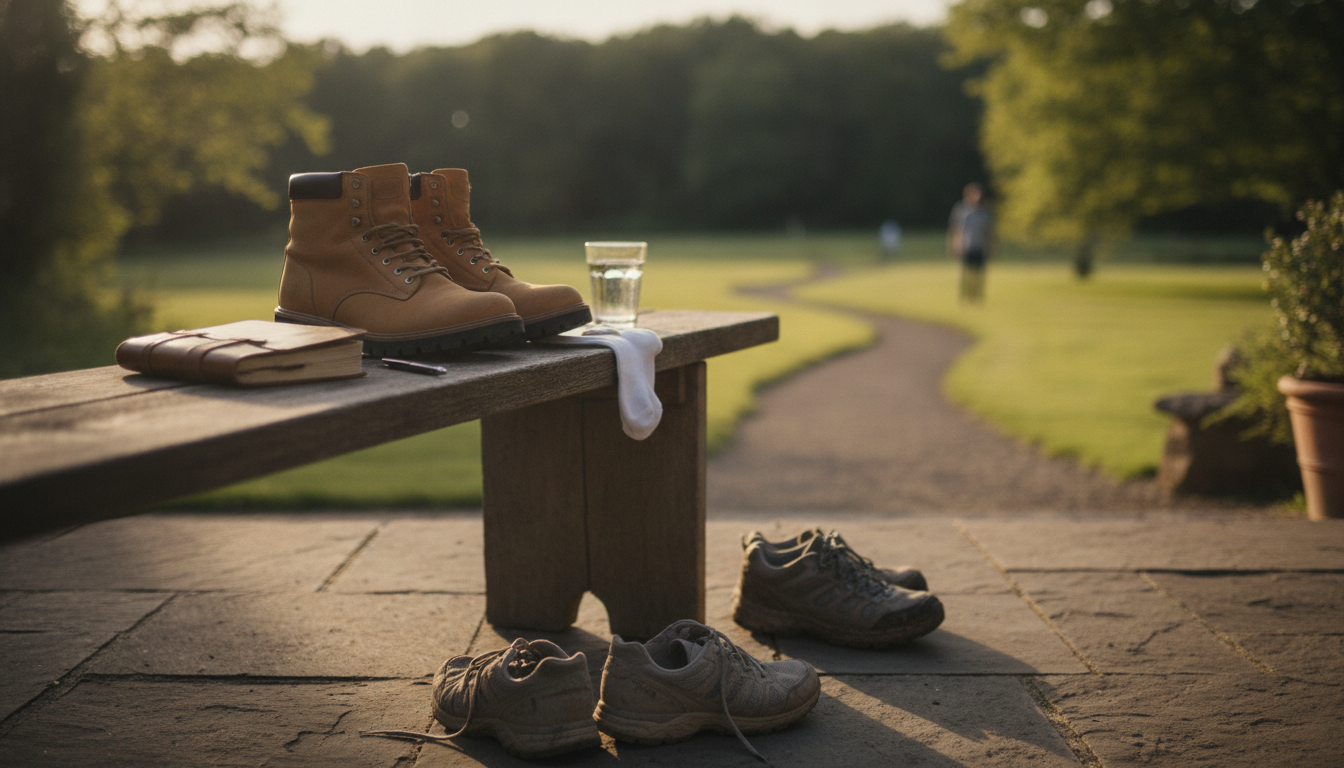
Wear your new shoes indoors for short periods, then gradually increase the time as they become more comfortable. Try them with the socks or hosiery you expect to wear regularly, since their thickness can affect how the shoes fit.
Pay attention to pressure at your toes, heels, and the sides of your feet as you walk, sit, and use stairs. Taking the shoes off before a hot spot becomes a blister gives your skin time to recover and helps you identify where the pair may need attention.
Featured in this guide
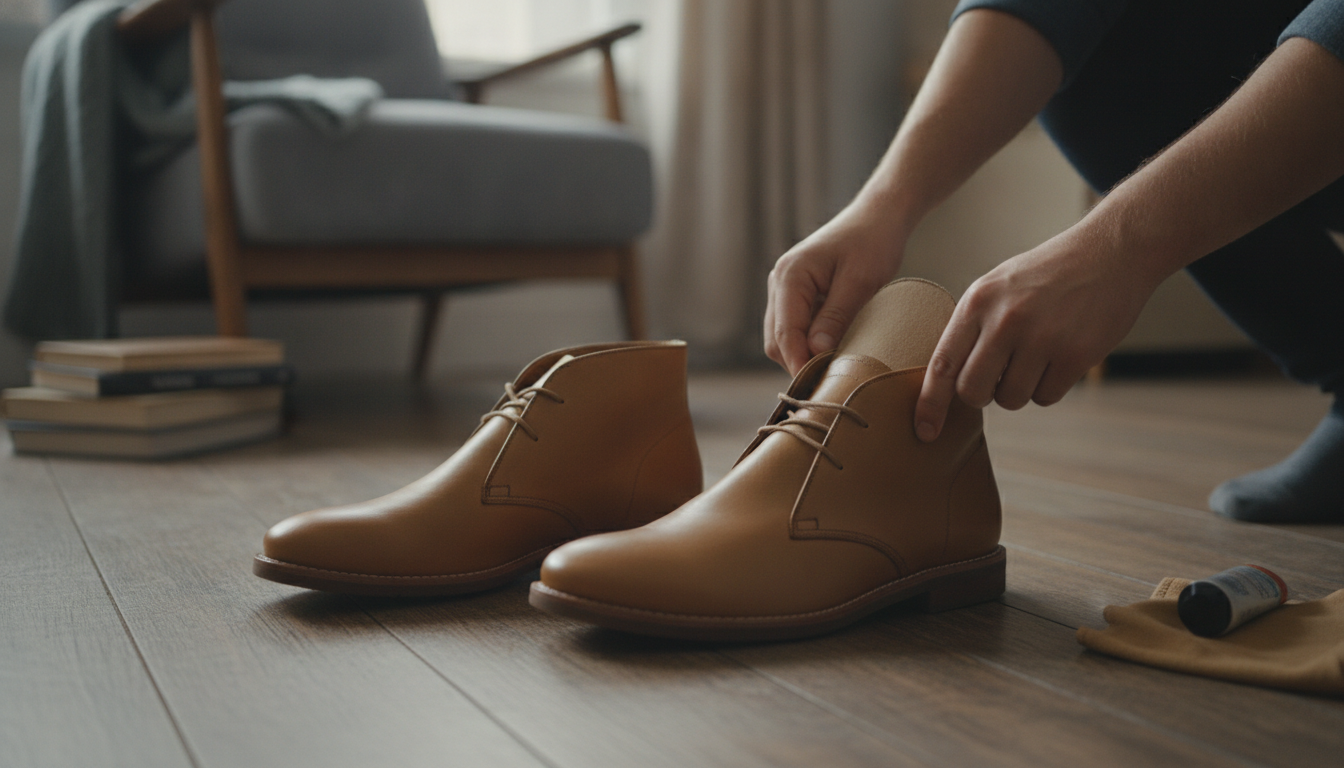
The Guide to Breaking In New Shoes — Digital Download eBook, Step-by-Step Checklist for Comfort, Tips to Prevent Blisters & Pain
Consider the Material and Fit
Leather can soften and flex with wear, while synthetic materials vary and may not give much at all. Flexible sneakers may need less adjustment than rigid dress shoes or boots, but even a soft shoe should have enough room for your toes from the start.
A shoe that slips slightly at the heel may improve as the sole becomes more flexible, but persistent slipping can cause friction. Do not count on breaking in a pair that feels painfully narrow, presses hard on your toes, or makes you change the way you walk.
Make the Process More Comfortable
Alternate your new pair with comfortable shoes, and consider a blister bandage or protective pad where you notice friction. Keep your shoes clean and dry between wears, and follow the manufacturer’s care guidance for the material rather than using heat or soaking them to force a faster fit.
For a practical reference as you adjust to a new pair, our Guide to Breaking In New Shoes is a digital download eBook with a step-by-step comfort checklist and tips for preventing blisters and pain. Our team recommends stopping if you experience sharp pain, numbness, or worsening irritation; a different size, style, or professional fit assessment may be more helpful than more wear.
FAQ
Is it normal for new shoes to hurt at first?
A little stiffness or mild rubbing can occur while new shoes adjust, especially around a firm heel or sole. Sharp pain, numbness, pinched toes, or recurring blisters are not signs you should simply push through; stop wearing the shoes and reassess the fit.
See if The Guide to Breaking In New Shoes — Digital Download eBook, Step-by-Step Checklist for Comfort, Tips to Prevent Blisters & Pain fits your setup



Leave a comment