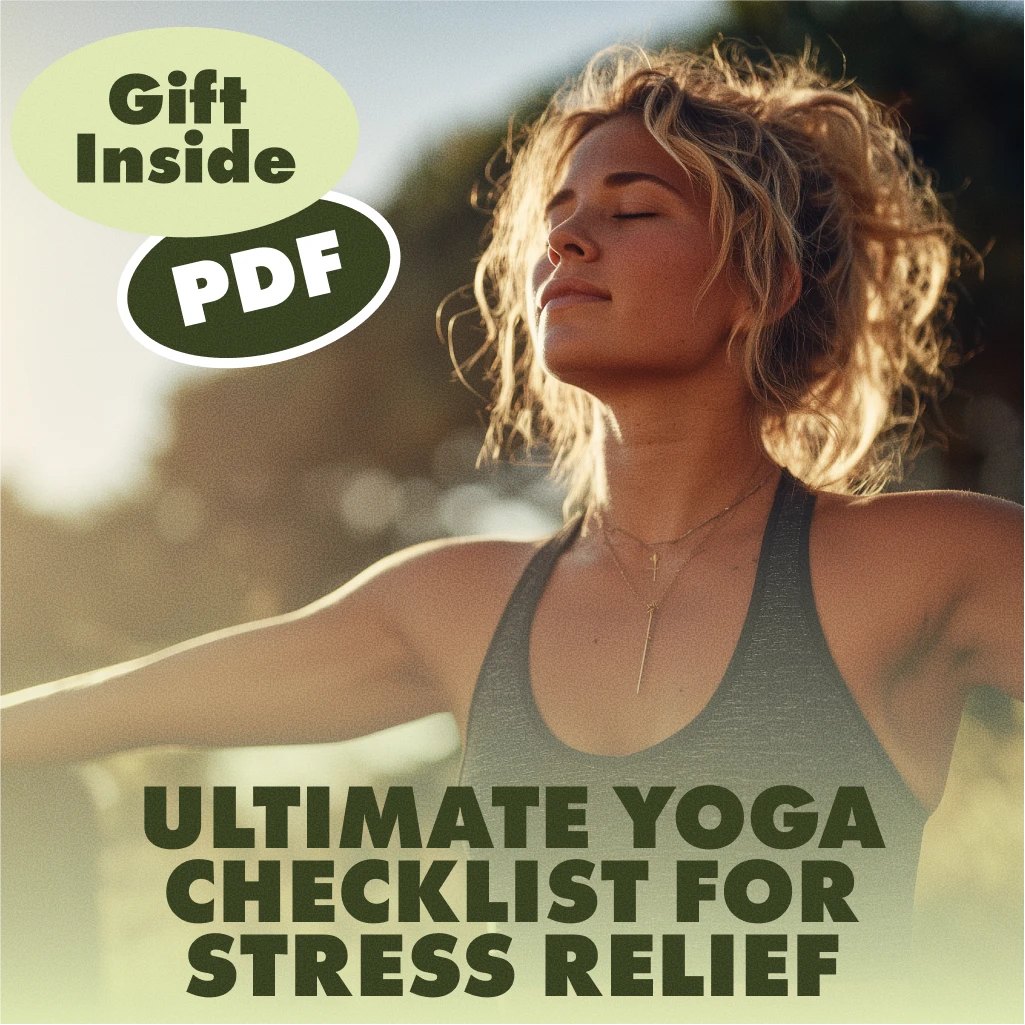
A Gentle Yoga Checklist for Stress Relief
Before you begin, find a space where you can move without bumping into furniture. Wear something that lets you move easily, then decide how much time you can comfortably give the practice today. That might be five minutes now and something different another day.
Try treating the first minute as a check-in. Are you restless, mentally busy, or physically tired? You don’t have to change that feeling before you start. Noticing it can help you choose a pace that fits, rather than pushing through a routine that doesn’t feel right today.
Gentle or restorative-style yoga may suit a day when you want to slow down. If movement feels welcome, you might choose a more active practice instead. The useful choice is one that fits your body and the time you have.
Begin with easy movements, breathe naturally, and rest when you need to. A comfortable seated pause is an option, too. You don’t need to force a stretch or complete a particular pose to make the time worthwhile.
| How you feel | Possible approach | Keep in mind |
|---|---|---|
| Short on time | A few minutes of gentle movement and quiet breathing | A brief practice still counts. |
| Mentally busy | A slower practice with pauses | Return your attention to your breath without judging distractions. |
| Physically tired | Rest-focused movement or a comfortable seated pause | Skip movements that feel uncomfortable. |
Featured in this guide
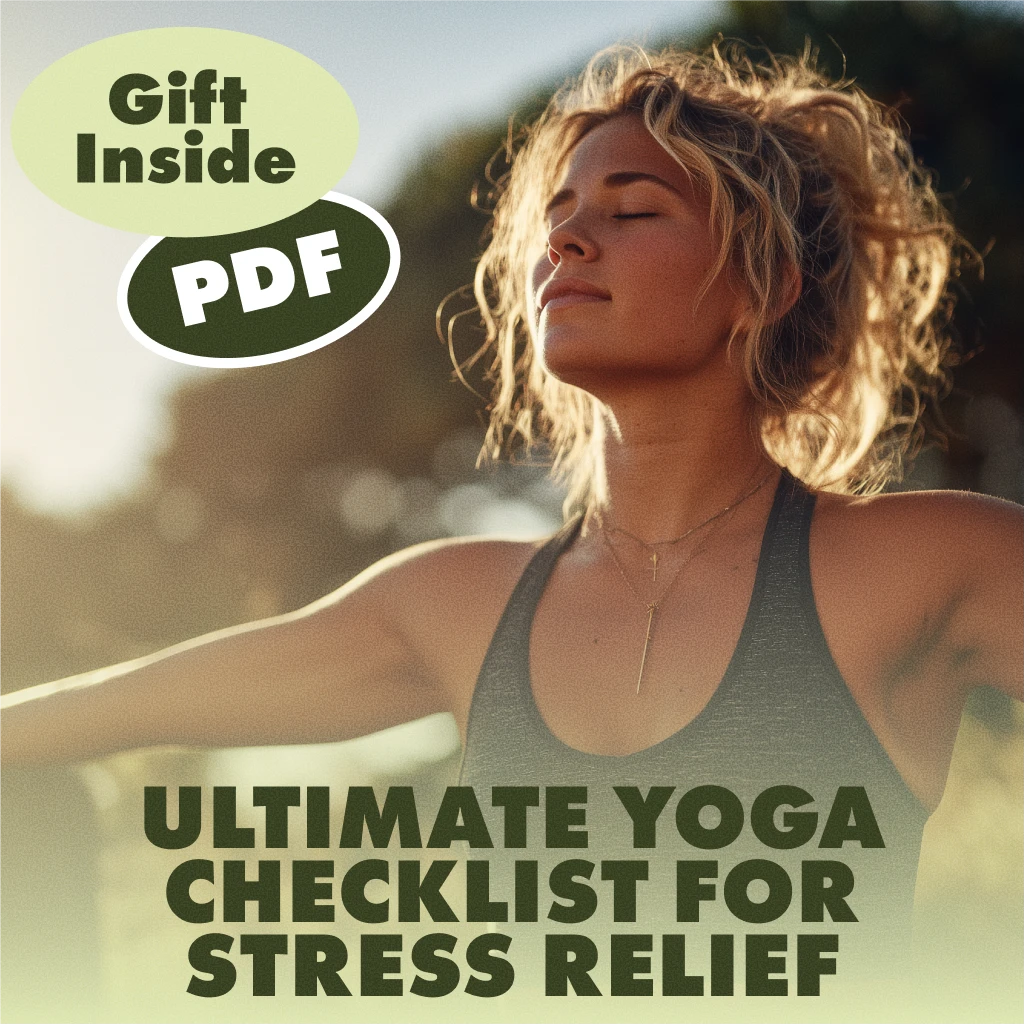
Ultimate Yoga Checklist for Stress Relief: Your Path to Calm and Clarity | Digital Download Guide, eBook & Printable for Relaxation, Mindfulness, and Wellness
Try a simple sequence: check in, choose a pace, move gently, pause, and notice how you feel afterward. That last step is an observation, not a test. Some days you may feel calmer; other days you may simply appreciate the break.
It can help to connect your practice to an existing transition, such as closing your laptop or settling into your evening. If you like having a dedicated resource, our digital and printable guide may suit you. You can explore the Ultimate Yoga Checklist for Stress Relief and decide whether it fits the way you practice.
Stay within a comfortable range of motion, and stop any movement that hurts. If you have an injury, a health condition, or concerns about starting yoga, ask a qualified health professional which activities are appropriate for you.
Yoga may help some people manage stress, but experiences vary. It can sit alongside sleep, everyday movement, time outdoors, and connection with supportive people. It is not a replacement for mental health care when you need it.
Check the product’s listed specifications when evaluating keep comfort and safety in view.
You don’t have to follow the same routine every time. Returning when it fits your circumstances can be more workable than aiming for a perfect daily practice.
Connection can be part of caring for yourself, too. If expressing appreciation helps you stay connected, our separate Thank You Note Checklist is another optional digital resource.
Before choosing, compare the product details with your daily routine, available space, care needs, and preferred setup. The strongest option is usually the one that fits the intended use clearly and remains simple to clean, store, and check before repeat use.
It is also worth checking measurements, material notes, included parts, and compatibility details so the item matches the way it will be used after delivery.
A gentle, comfortable style is a practical starting point. Slower or restorative-style yoga may appeal to you if you want to relax, but the best fit depends on your preferences and physical needs.
Manageable habits include gentle movement, sufficient sleep, time outdoors, relaxation practices, and connection with supportive people. Seek professional support if stress or anxiety is persistent or overwhelming.
Yoga may help some people manage stress through movement, breathing, and attention to the present moment. Results vary, and it should complement rather than replace professional care when needed.
You can try a brief movement break, a comfortable breathing or relaxation practice, time outdoors, or talking with someone supportive. Choose an approach you can manage and seek help if stress feels overwhelming.










Leave a comment