Quickest Way to Flush Out Your Gut: Safe Relief
35% off on product page · save $6.46
Quickest Way to Flush Out Your Gut: Safe Relief
Choose a safe approach for quick relief
If you feel constipated, the quickest safe option may be an over-the-counter glycerin suppository, which often works within 15 to 60 minutes when used as directed. It helps stimulate a bowel movement in the lower bowel, but it does not completely empty or “cleanse” your entire digestive tract.
For a less immediate approach, an oral osmotic laxative such as polyethylene glycol draws water into stool and may take one to three days to work. Follow the package directions, and ask a pharmacist or healthcare professional which option fits your situation, especially if you take medications, are pregnant, or have a medical condition.

Help your gut move naturally
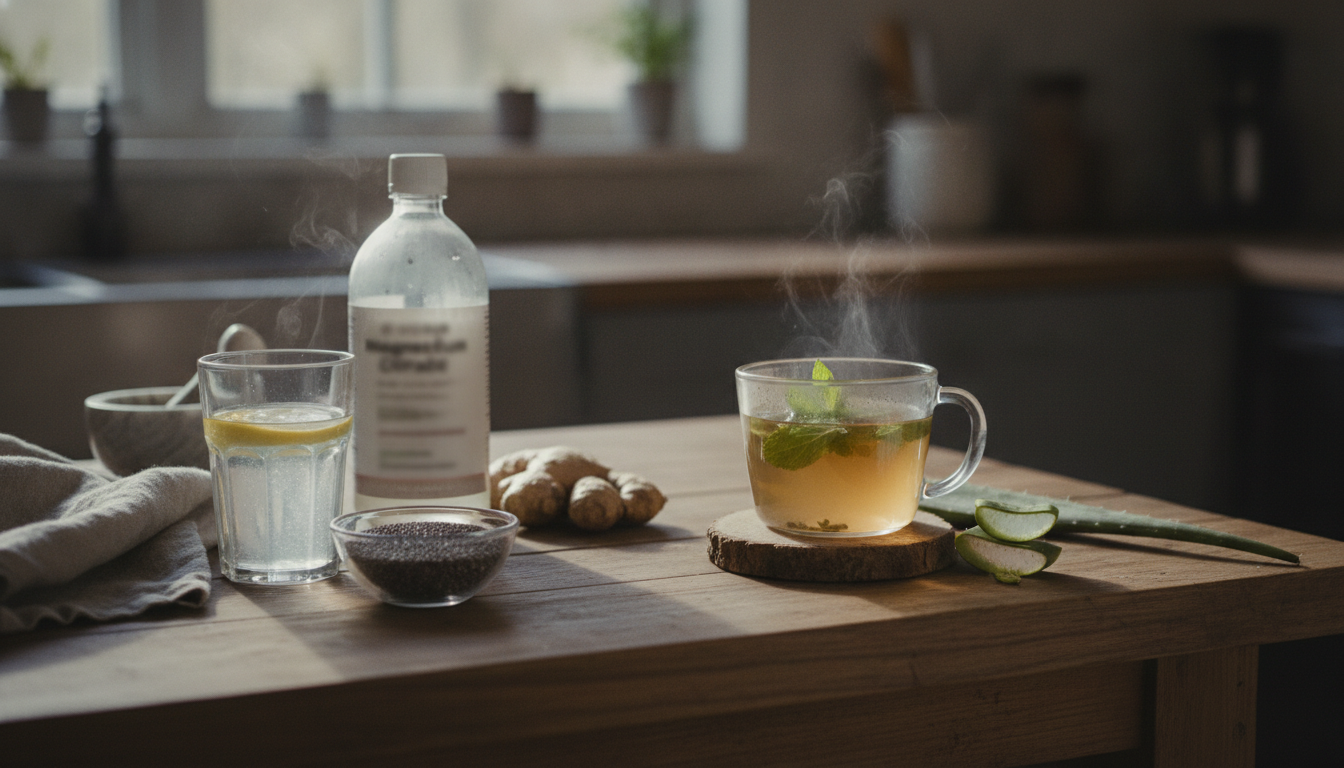
Drink water regularly, take a walk if you can, and give yourself unhurried time on the toilet, particularly after a meal when your bowel may be more active. Putting your feet on a low stool and leaning forward can make passing stool more comfortable without excessive straining.
Fiber-rich foods such as oats, beans, fruits, and vegetables can support regular bowel movements, but increase fiber gradually and drink enough fluids. These habits are better for ongoing regularity than an instant flush, and adding a lot of fiber at once may leave you feeling more bloated.
Check the product’s listed specifications when evaluating help your gut move naturally.
Featured in this guide
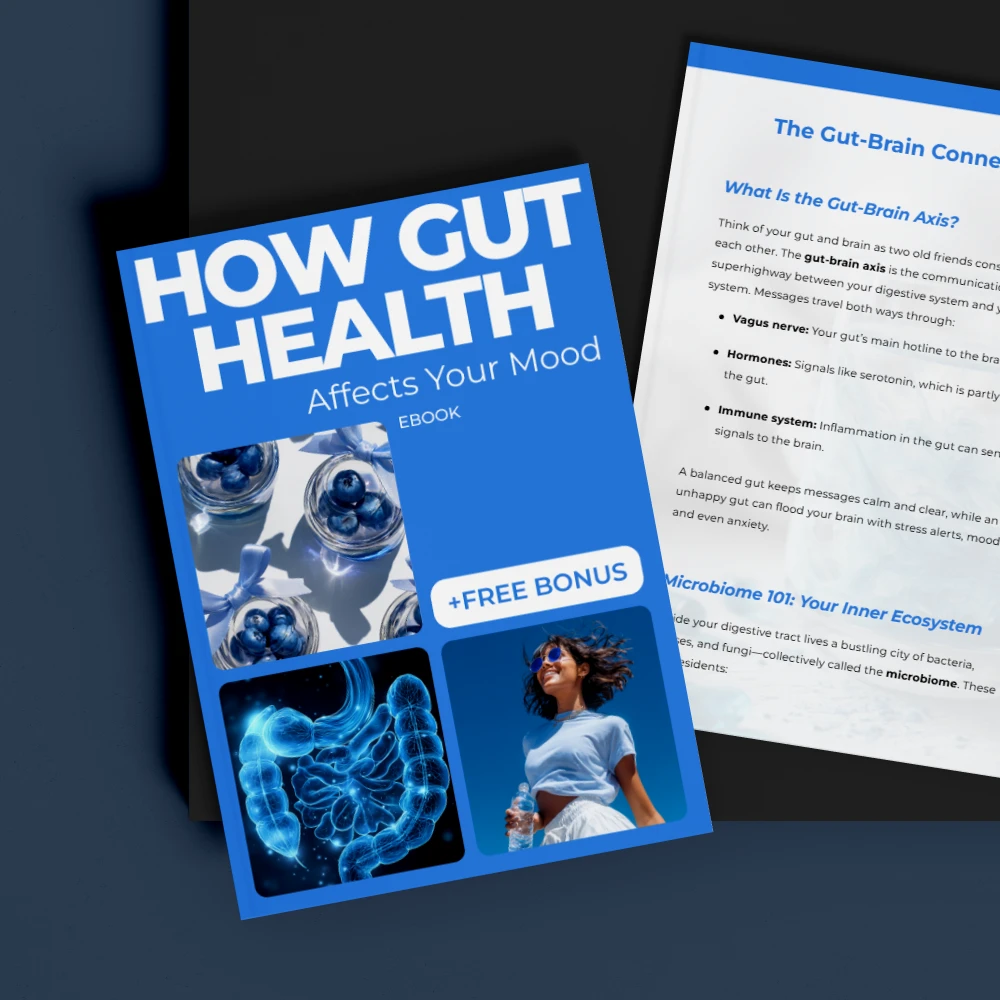
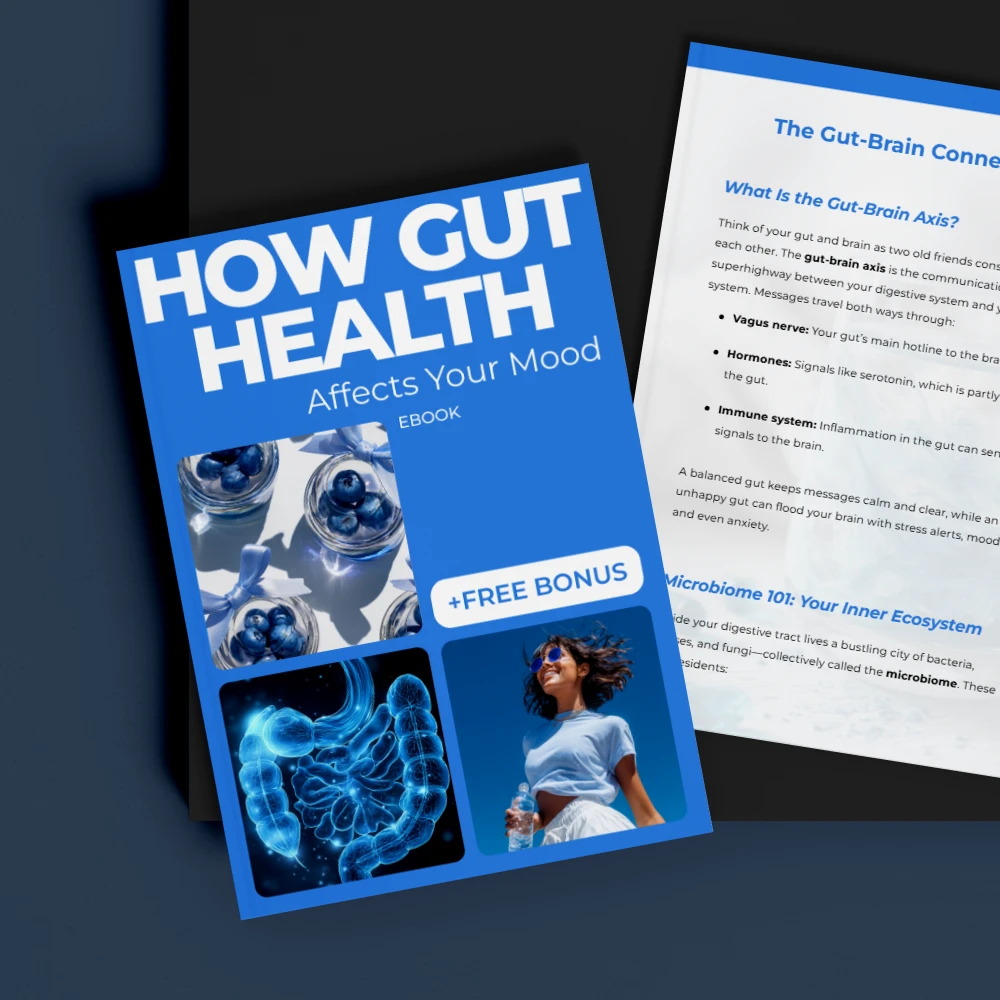
How Gut Health Affects Your Mood – A Practical eBook Exploring the Gut Health and Mood Connection, Gut-Brain Axis, Microbiome & Emotional Wellbeing
Avoid harsh “cleanses”
You do not need detox teas, saltwater flushes, or repeated enemas to remove toxins from your gut; your digestive system moves waste along on its own, while your liver and kidneys handle many waste products. Harsh cleanses can cause dehydration, cramping, or dangerous changes in electrolytes, and frequent laxative use can create problems rather than solve them.
Seek urgent medical care if constipation comes with severe or worsening abdominal pain, vomiting, a swollen abdomen, or an inability to pass gas. Contact a healthcare professional if you have blood in your stool, unexplained weight loss, persistent constipation, or a new change in bowel habits that does not improve.
Think beyond a quick reset
A bowel movement may relieve constipation, but it is not the same as resetting your microbiome or treating an ongoing digestive problem. For a broader look at the gut-brain connection, our team offers How Gut Health Affects Your Mood, a practical eBook exploring the microbiome and emotional wellbeing.
We recommend focusing on habits you can maintain, including regular meals, adequate fluids, movement, and a varied diet. If discomfort keeps returning, talking with a healthcare professional can help you identify the cause instead of relying on repeated flushes.
Check the product’s listed specifications when evaluating think beyond a quick reset.
FAQ
How can I completely flush out my gut?
There is no need to completely flush out your gut for everyday health, and aggressive cleansing can be harmful. If you need bowel preparation for a medical procedure, follow the specific instructions provided by your healthcare team rather than trying a home cleanse.
How to reset your gut in 3 days?
You can spend three days building supportive habits by drinking fluids, eating regular balanced meals, moving gently, and getting enough sleep. These steps may help you feel more comfortable, but they do not guarantee a complete gut reset or replace care for persistent symptoms.
See if How Gut Health Affects Your Mood – A Practical eBook Exploring the Gut Health and Mood Connection, Gut-Brain Axis, Microbiome & Emotional Wellbeing fits your setup




Leave a comment