Best G Scale Track for Outdoor Garden Railways
20% off on product page · save $3.00
Best G Scale Track for Outdoor Garden Railways
Best Track Material for Outdoor Use
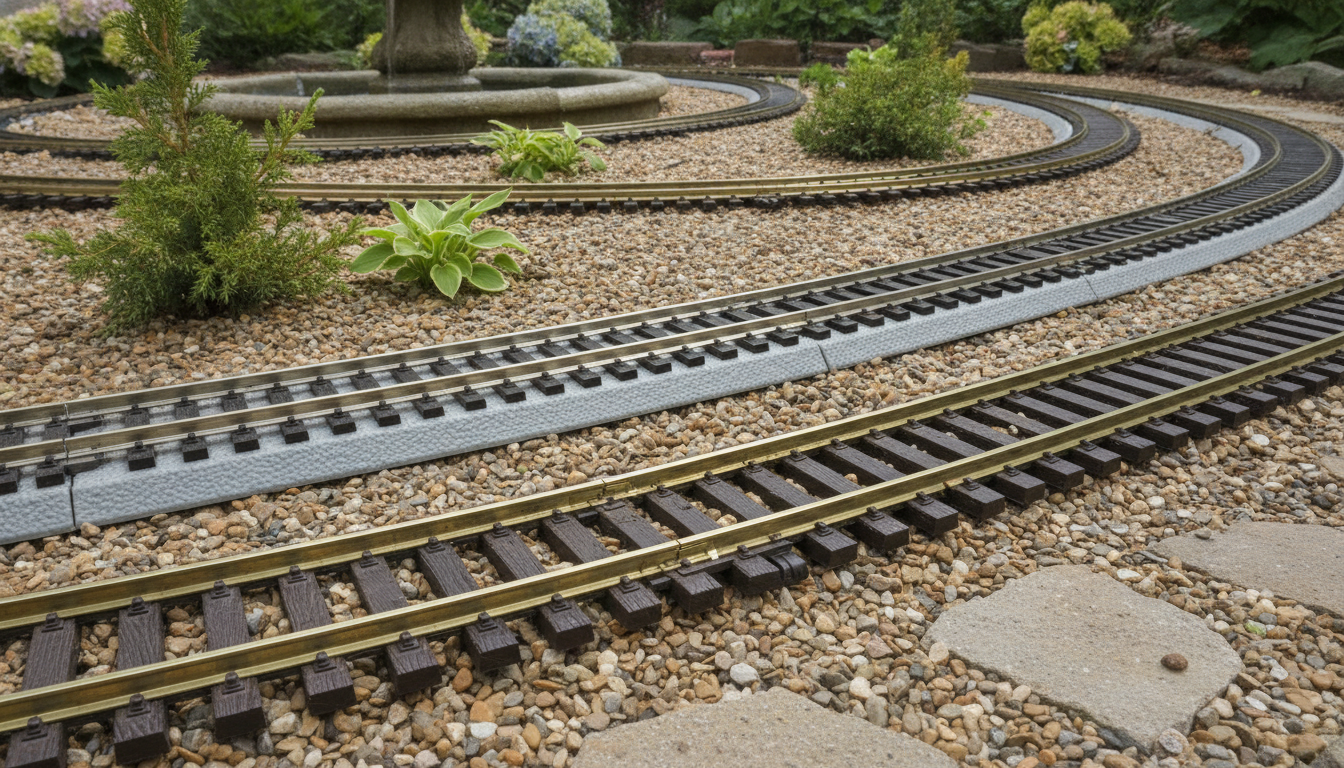
For most outdoor G scale railroads, we recommend solid brass track because it resists corrosion, handles changing weather well, and is widely used in garden railway setups. Brass still needs occasional cleaning, especially if you power your trains through the rails, but it offers a practical balance of durability and maintenance for a permanent outdoor layout.
Stainless steel track is another strong choice if you want rails that are highly resistant to corrosion and generally require less railhead cleaning, although it can be harder to cut and work with than brass. Aluminum track is lighter and can work outdoors, but its rail surface oxidizes and may need more attention when electrical pickup through the rails is important.
Choose Track for Your Power System
If your locomotives draw power from the rails, prioritize clean railheads and reliable electrical connections: dirt, oxidation, and loose rail joiners can interrupt power even when the track itself is suitable for outdoor use. You can improve reliability by maintaining connections and adding electrical feeds where needed, particularly on a long garden railway.
If you run battery-powered trains, rail conductivity is less important, so you can focus more on weather resistance, mechanical strength, and how easily the track fits your planned route. In either case, choose outdoor-rated track components and curves that give your locomotives and cars enough room to run without binding or derailing.
Featured in this guide
Train Outside This Summer | Outdoor Fitness eBook Guide for outdoor workouts for summer, Bodyweight Training, Cardio & Fat Loss
Build a Stable Outdoor Foundation
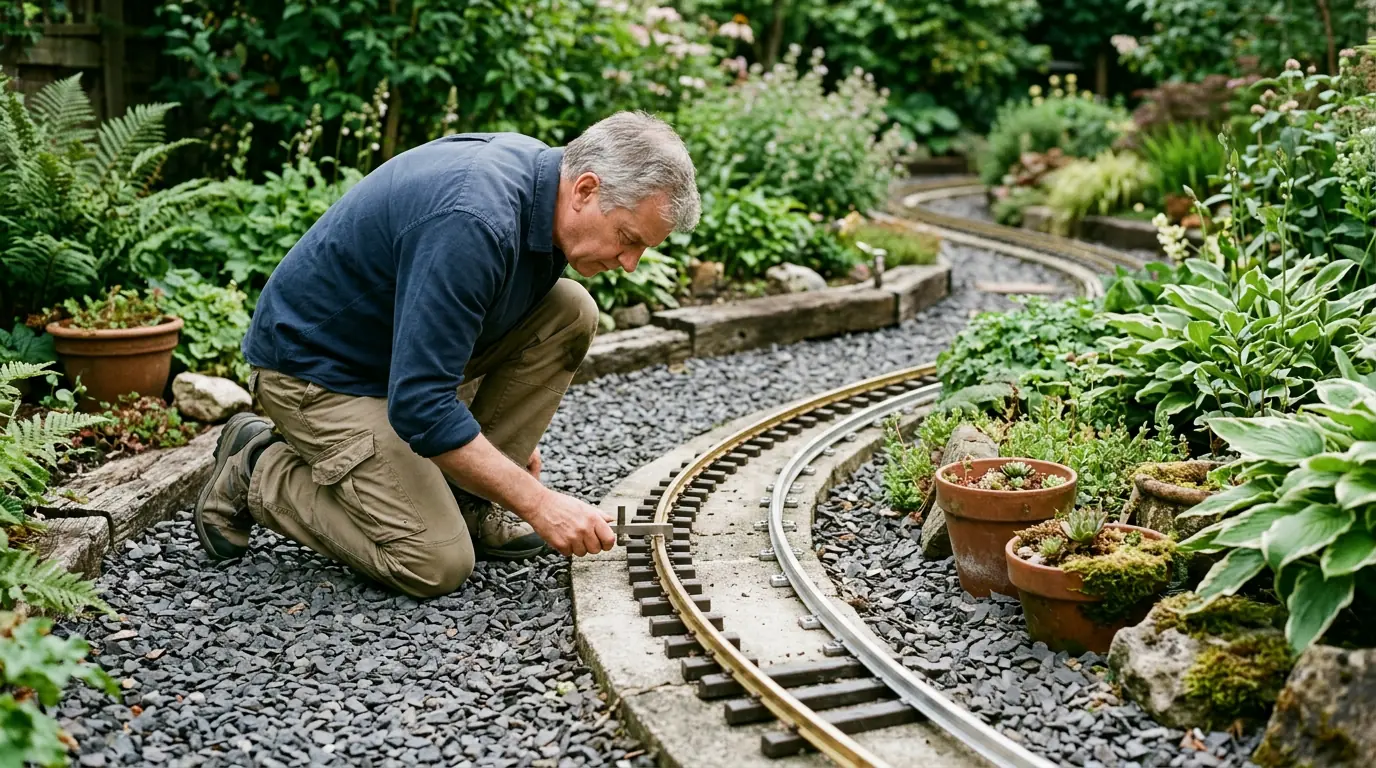
Lay your track on a firm, well-draining base rather than directly on loose soil, which can shift after rain or freeze-and-thaw cycles. A compacted aggregate base with suitable ballast can help support the track while allowing water to drain, though you should expect to make adjustments as the ground and seasons change.
Leave room for rail movement as temperatures change, and avoid fixing long runs so rigidly that expansion causes the track to buckle. Before running trains, clear leaves, stones, and other debris, then inspect curves and joints for movement that could cause a derailment.
Check the product’s listed specifications when evaluating build a stable outdoor foundation.
Outdoor Plans for You and Your Railroad
Our team would choose brass for a straightforward garden railway that uses track power, while stainless steel is worth considering if you prefer a more corrosion-resistant rail and are comfortable working with it. The best fit also depends on your climate, your power system, and how much time you want to spend maintaining the layout.
If you are also planning ways to spend active time outdoors, our Train Outside This Summer outdoor fitness eBook guide covers a different kind of outdoor activity: bodyweight training, cardio, and fat loss. It is separate from your railway equipment, so choose track and other components based on the needs of your own layout.
See if Train Outside This Summer | Outdoor Fitness eBook Guide for outdoor workouts for summer, Bodyweight Training, Cardio & Fat Loss fits your setup




Leave a comment