Will AI Be Able to Decode Animal Language? What It Can Do
AI may become better at connecting animal sounds, movements, and other signals with what is happening around them, but that is different from translating a bark or chirp into a human sentence. For you, the most useful prospect is a clearer picture of patterns—such as when a pet tends to vocalize before a meal, avoid a certain situation, or act differently from their usual routine.
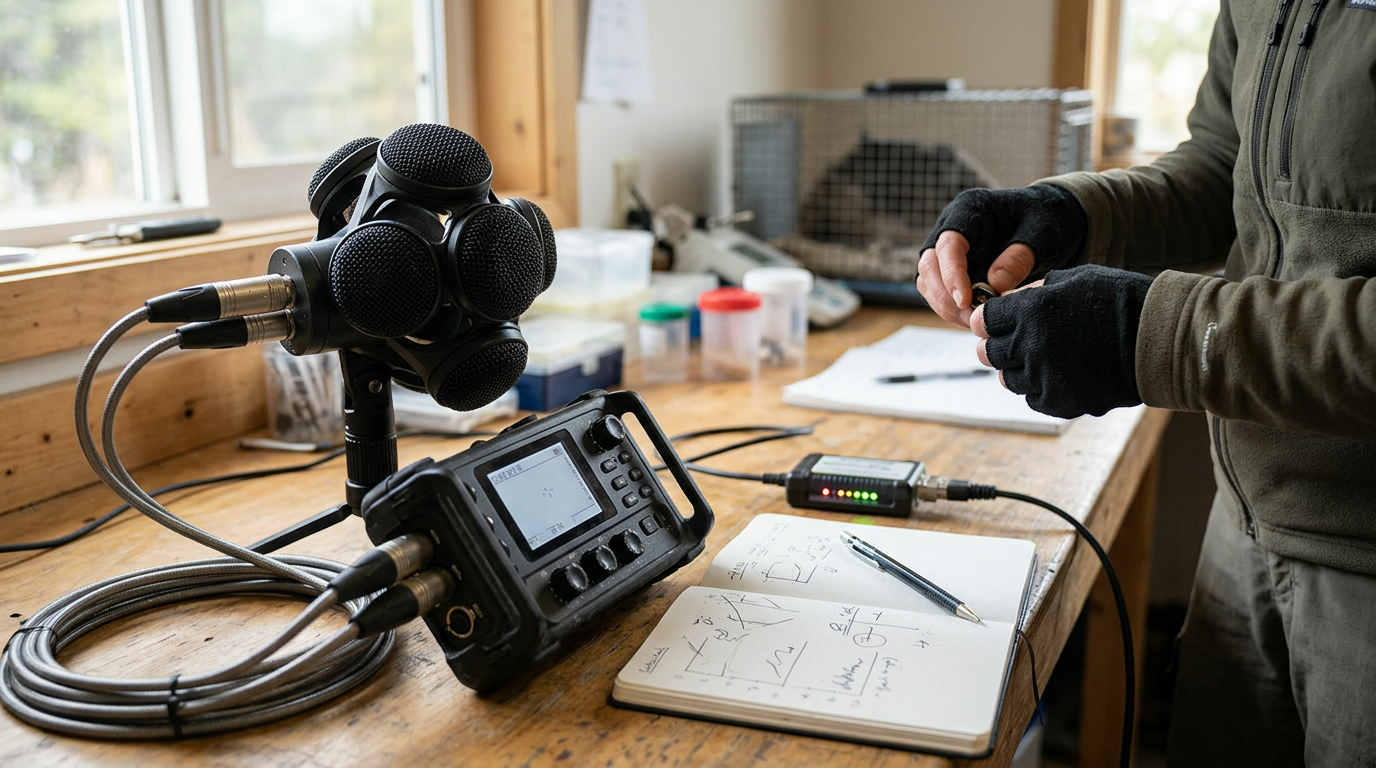
An AI system can look for recurring connections among behavior, time of day, activity, and context, then help you notice signals you might otherwise miss. A dog’s whine near the door, for example, may mean something different from a whine during a noisy gathering, so the situation matters as much as the sound.
Check the product’s listed specifications when evaluating what could ai actually interpret.
Featured in this guide
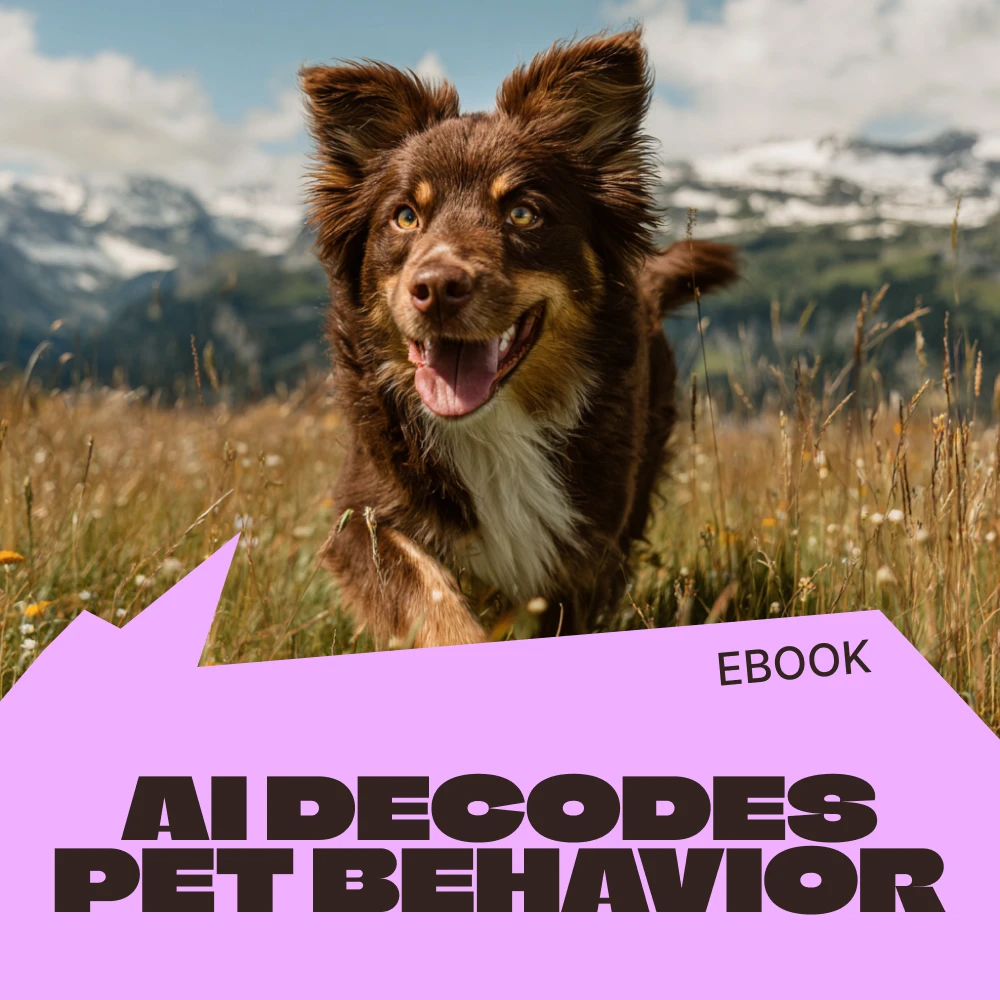
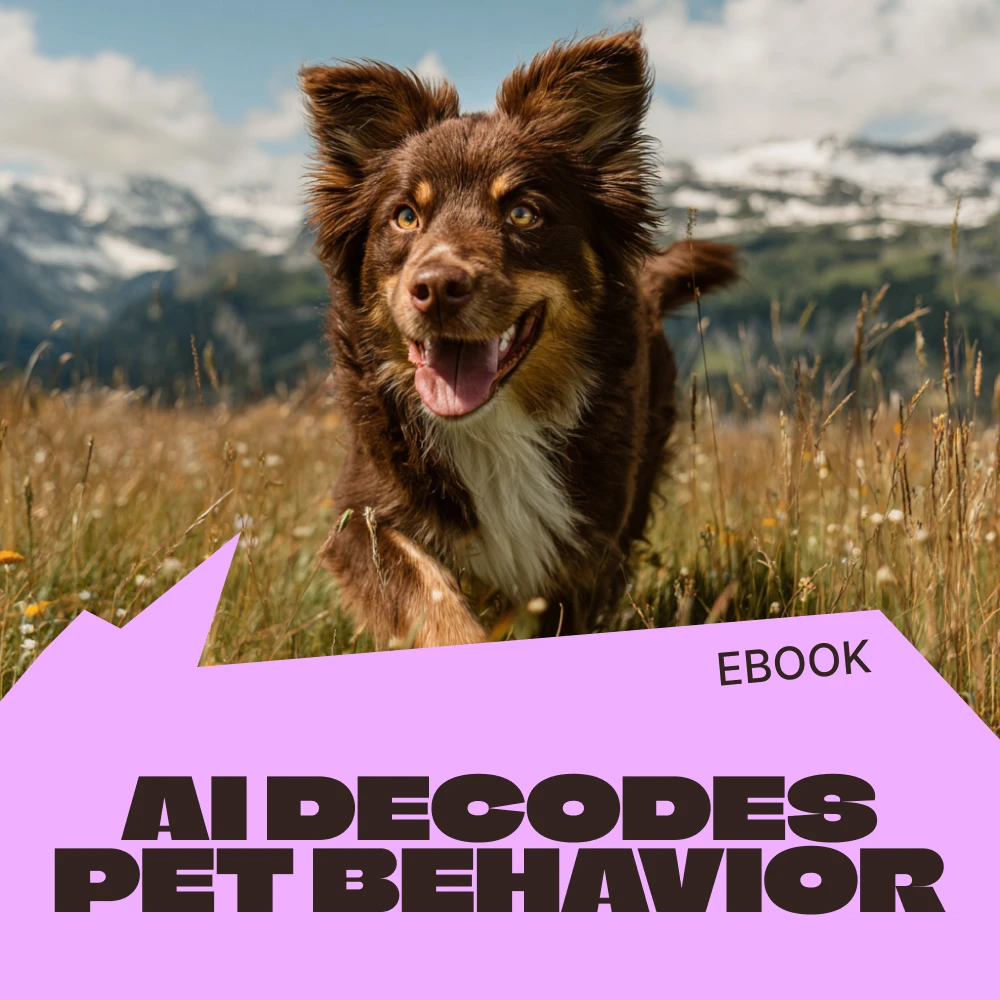
AI Decodes Pet Behavior – Smart eBook Guide to ai behavior pattern detection pets Using AI Insights for Health, Mood & Daily Routines
Start by noting what happened before and after a behavior: where your pet was, who was nearby, and whether food, rest, exercise, or noise played a role. Our AI Decodes Pet Behavior – Smart eBook Guide to ai behavior pattern detection pets Using AI Insights for Health, Mood & Daily Routines is a natural starting point if you want to explore behavior-pattern tracking; you can also read our AI pet behavior pattern tracking guide.
Check the product’s listed specifications when evaluating how can you use those insights with your pet.
Don’t treat an AI interpretation as permission to ignore a pet’s immediate needs: give an animal space if they appear frightened, cornered, or uncomfortable, even if a suggested label sounds reassuring. If you notice a sudden change in appetite, mobility, energy, or behavior, contact a veterinarian rather than waiting for a pattern-tracking tool to explain it.
Check the product’s listed specifications when evaluating where should you be careful.
Think of AI as a way to organize observations, not as a conversation in which an animal speaks English through a device. Our team would pair any AI insight with your knowledge of your pet’s normal habits, because a useful interpretation should help you respond more thoughtfully to the animal in front of you.
AI can help identify patterns in animal signals and relate them to circumstances, but it cannot reliably turn every sound or gesture into a precise human-language message. You’ll get more practical value by using it to spot changes and considering those observations alongside your pet’s surroundings and behavior.










Leave a comment