Can You Break In Shoes in 3 Days? A Comfort Guide

35% off on product page · save $3.23
Can You Break In Shoes in 3 Days? A Comfort Guide
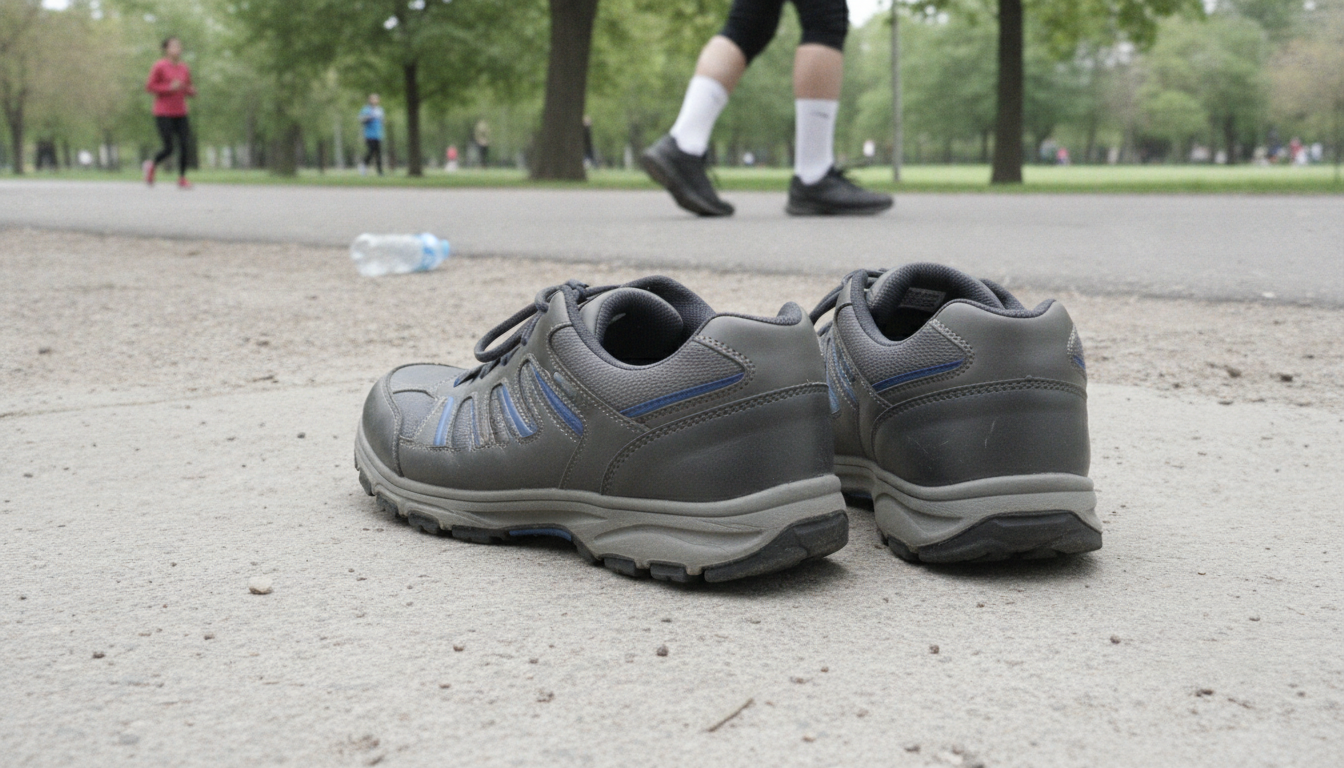
Can shoes break in within three days?
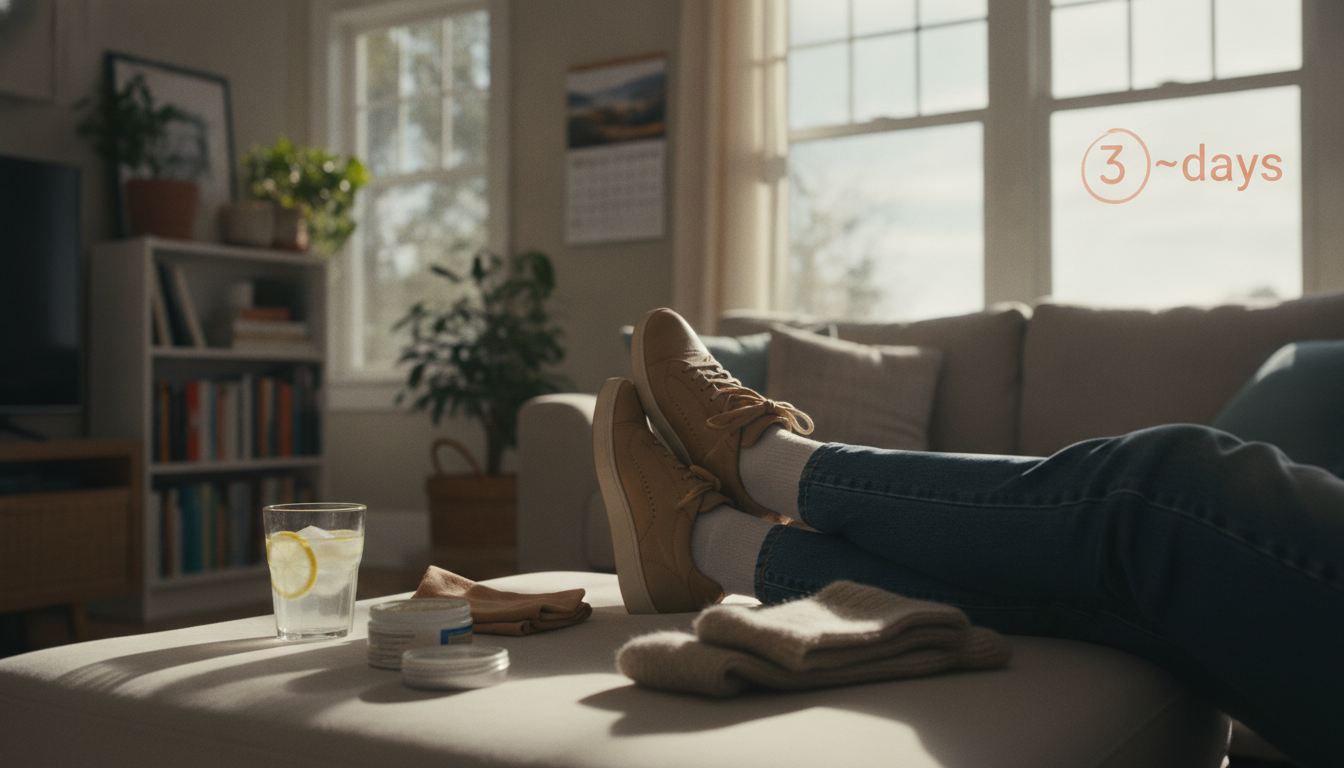
Yes, some shoes can feel more comfortable after three days of gradual wear, especially if their materials are soft and the fit is already close to right. Stiff leather shoes, structured dress shoes, and boots may need longer, so we recommend treating three days as a useful starting period rather than a deadline.
Breaking in should soften and flex a shoe; it should not be expected to fix a shoe that is too short, painfully narrow, or slipping badly at the heel. If your toes are cramped or you feel sharp pain, stop wearing the shoes and consider a different size or style instead of trying to force a fit.
How to use the first three days
On day one, wear the shoes indoors for a short period with the socks or hosiery you plan to use, and notice any pressure or rubbing. Wearing them on a clean floor also gives you a chance to assess the fit before taking them outside, although return eligibility depends on the retailer’s policy.
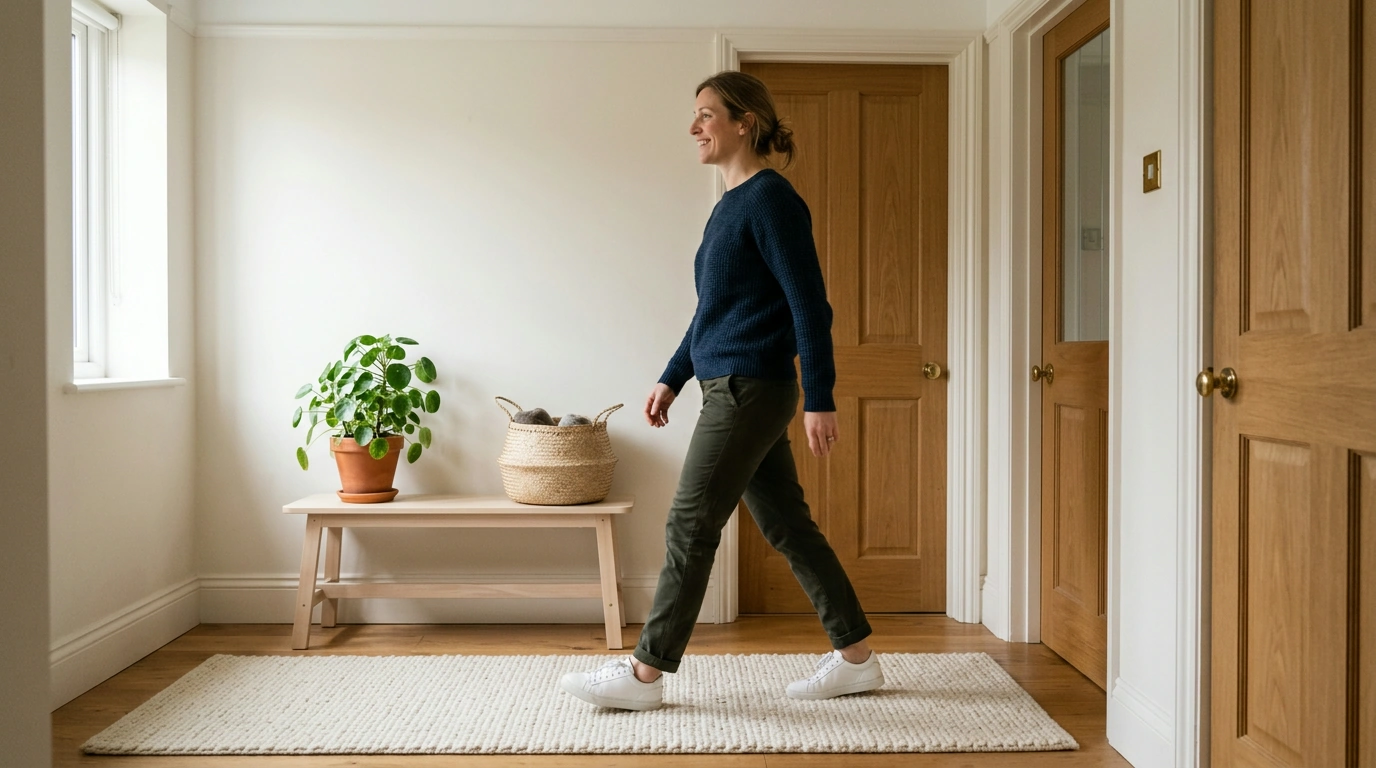
On days two and three, gradually increase your indoor wear time if the shoes remain comfortable, and take them off if irritation develops. Walk, stand, and bend your feet naturally to see whether the shoes flex comfortably; a few manageable sessions are preferable to wearing them all day through pain.
Featured in this guide
The Guide to Breaking In New Shoes — Digital Download eBook, Step-by-Step Checklist for Comfort, Tips to Prevent Blisters & Pain
Protect your feet and care for the shoes
If you notice a likely rubbing spot, you can place a protective bandage or blister pad on your skin before wearing the shoes again, keeping the area clean and dry. Avoid continuing to wear the shoes over a developing blister, and seek medical advice if you have concerning symptoms or a condition that makes foot injuries harder to heal.
For leather shoes, a product intended for that type of leather may help with care, but follow the manufacturer’s directions and test it on a discreet area first. We suggest avoiding soaking, excessive heat, or forceful stretching, which can damage materials or alter the fit in ways you did not intend.
Plan for the occasion
If you need new shoes for an event in three days, practice wearing them for the kind of activity you expect, such as standing or walking, and bring a comfortable backup pair if possible. Softer casual shoes may adapt quickly, while rigid soles and structured uppers can take more time to feel natural.
For a practical checklist, explore The Guide to Breaking In New Shoes, our digital download eBook with step-by-step guidance and tips for preventing blisters and pain. Our team recommends using the guide alongside your own comfort checks, because the right pace depends on both the shoe and your feet.
See if The Guide to Breaking In New Shoes — Digital Download eBook, Step-by-Step Checklist for Comfort, Tips to Prevent Blisters & Pain fits your setup

Leave a comment