How to Break In New Shoes Comfortably
35% off on product page · save $3.23
How to Break In New Shoes Comfortably
Why New Shoes Can Feel Uncomfortable
New footwear may have stiff uppers, firm seams, or soles that haven’t yet flexed through repeated movement. As you walk, areas around the heel, toes, or sides of your feet may rub against materials that feel different from those in your usual shoes. Even a small change in lacing or sock thickness can affect where you notice pressure.
Some initial stiffness can improve as certain materials soften, but stiffness is different from a shoe that doesn’t fit. Persistent pinching, numbness, or significant pain is a sign to stop, not a challenge to push through. Your toes should have room to move, and your heel should feel secure without being squeezed.
Pay attention to both feet: one may experience a pressure point that the other doesn’t. If discomfort continues after simple adjustments, consider another size, shape, or style rather than counting on the shoe to change.
A Gentle Break-In Routine
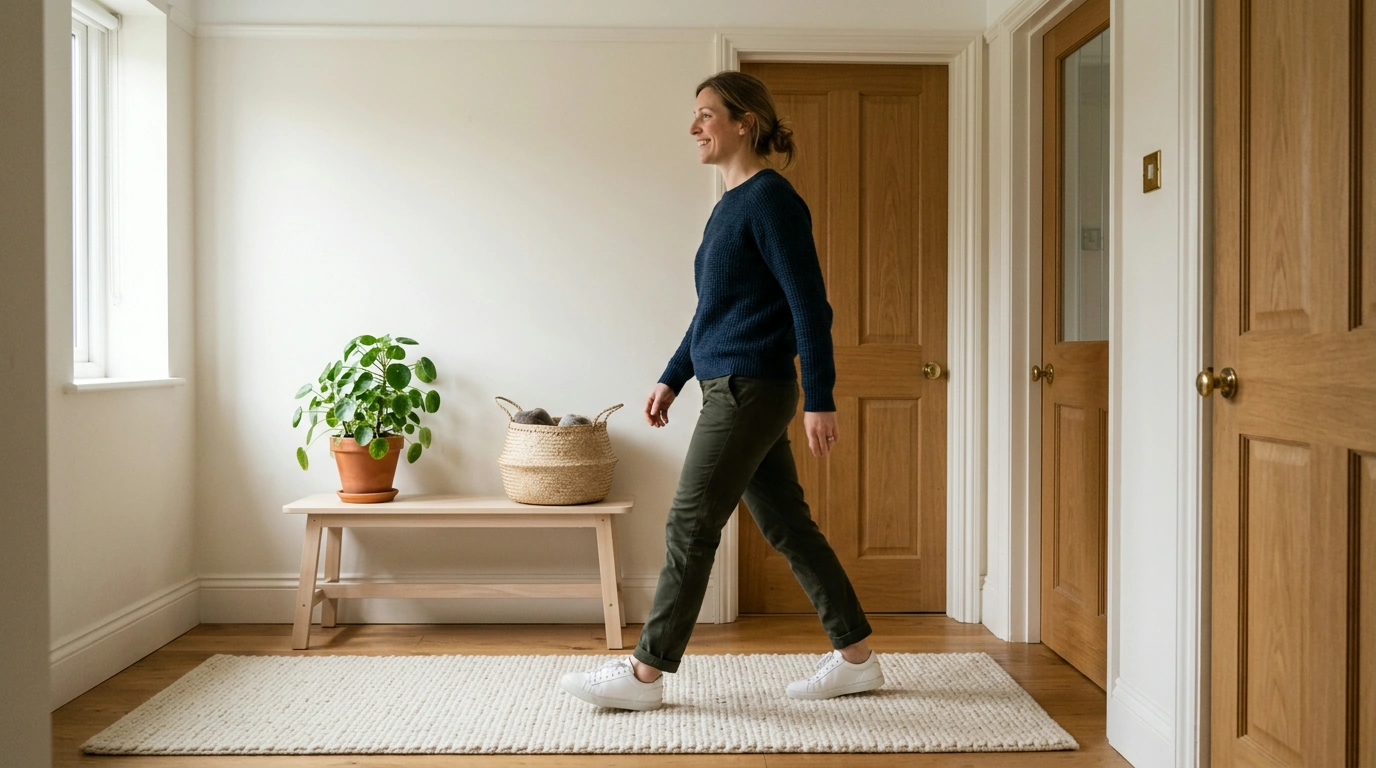
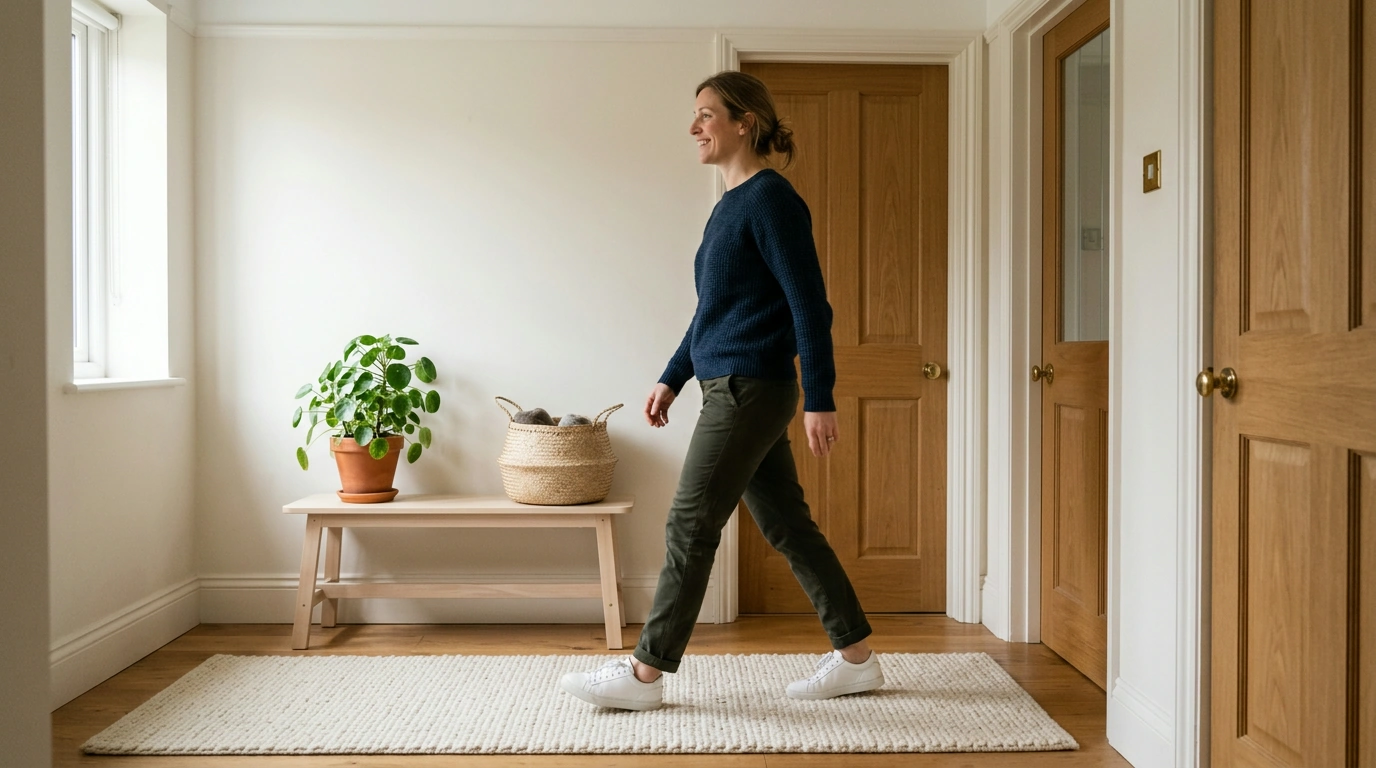
Start indoors on a clean surface, wearing the socks you expect to use most often. Stand and walk around briefly, checking that your toes have room and your heels stay reasonably secure.
If the shoes feel comfortable, gradually increase your wearing time over subsequent sessions. There is no fixed schedule: a pair that feels fine while standing may reveal a rubbing spot after you walk.
After each session, check both feet for redness or irritated skin. Stop and address rubbing before trying again. If pain or skin damage develops, stop wearing the shoes and let your skin recover.
Featured in this guide
The Guide to Breaking In New Shoes — Digital Download eBook, Step-by-Step Checklist for Comfort, Tips to Prevent Blisters & Pain
Reduce Rubbing Without Crowding Your Feet
Choose well-fitting socks in the thickness you intend to wear most often, and smooth out folds before putting your shoes on. If a sock seam presses against a sensitive area, try a different pair.
For lace-up shoes, adjust the laces so your foot feels secure without pressure across the top. A loose heel can slide and rub, while laces that are too tight can cause pressure. Make small adjustments and walk around again.
Protective blister dressings can help at friction points such as the back of the heel. Follow the dressing instructions, and don’t use one as a reason to continue wearing shoes that cause pain. Before trying a stretching product, follow the shoe’s care instructions; heat or forced stretching can damage some materials.
Once indoor wear feels comfortable, choose a short first outing close to home. Having another pair available makes it easier to stop if a hot spot appears.
Keep the Checklist Handy
Our guide is a convenient digital reference when you want to work through shoe comfort one step at a time. The checklist can help you remember to assess the fit, start gradually, and pay attention to how your feet feel after wearing a new pair.
It offers comfort tips, not a guarantee against blisters or pain, and it cannot turn an unsuitable fit into a suitable one. If symptoms are significant or continue, seek professional advice.
For another practical digital resource, explore our AI-Powered Thank You Note Checklist for help organizing your next note.
Before choosing, compare the product details with your daily routine, available space, care needs, and preferred setup. The strongest option is usually the one that fits the intended use clearly and remains simple to clean, store, and check before repeat use.
It is also worth checking measurements, material notes, included parts, and compatibility details so the item matches the way it will be used after delivery.
Before choosing, compare the product details with your daily routine, available space, care needs, and preferred setup. The strongest option is usually the one that fits the intended use clearly and remains simple to clean, store, and check before repeat use.
FAQ
What is the fastest way to break in new shoes?
Start with short periods of indoor wear and increase the time gradually as comfort allows. The safest pace depends on you and the shoes; stop if pain or rubbing develops.
Why do you need to break in new shoes?
Some shoe materials soften and flex more naturally with wear, which can make a well-fitting pair feel more comfortable. A break-in period cannot reliably fix shoes that fit poorly.
See if The Guide to Breaking In New Shoes — Digital Download eBook, Step-by-Step Checklist for Comfort, Tips to Prevent Blisters & Pain fits your setup


Leave a comment